Cottagecore fashion: what it is and how to wear it
In this guide
A floral dress with puffed sleeves, a basket on the arm, tall grass and a stone cottage at the end of the path. The picture is lovely, and it raises a practical question for anyone who lives in an apartment and takes the train: how much of this can you wear on a Tuesday? Cottagecore is less about the meadow than about a set of clothes with a particular mood, and most of those clothes work perfectly well in a city.
This guide explains where cottagecore came from, the pieces that define it, the colors and fabrics that make it convincing, and concrete outfits for ordinary days, ending with close relatives such as dark cottagecore and fairycore so you can tell which direction you are drawn to.
What cottagecore is and where it came from
Cottagecore is an internet aesthetic built around an idealized version of rural life: baking bread, tending a garden, mending clothes, reading by a window. The name was coined on Tumblr in 2018, but the longing behind it is ancient. JSTOR Daily traces it to the pastoral poetry of Theocritus in the third century BCE, written for city dwellers who dreamed of shepherds, and to Marie Antoinette's model hamlet at Versailles, built in 1783 so the queen and her circle could play at farm life. The Arts and Crafts movement of the nineteenth century, with its love of handwork and folk design, is another clear ancestor.
The aesthetic moved from niche to mainstream in 2020, when lockdowns kept people at home and bread baking, gardening and crafts filled the hours. Tumblr reported a sharp rise in cottagecore posts that spring, and the look spread across Pinterest and TikTok. Taylor Swift's albums Folklore and Evermore, released that year, gave it a soundtrack. Cottagecore also found a devoted following among lesbian and queer women online, a connection covered in the questions below.
The criticism is useful too, because it helps you wear the style with some self awareness. Writers have pointed out that cottagecore romanticizes a countryside without hard labor, poverty or isolation, and that the dresses that define it can be expensive. None of that makes it wrong to enjoy. It simply means the style is a fantasy of calm and self sufficiency, and it works best when you treat it that way rather than as a claim to live a farm life you do not have.
The core pieces of cottagecore clothes
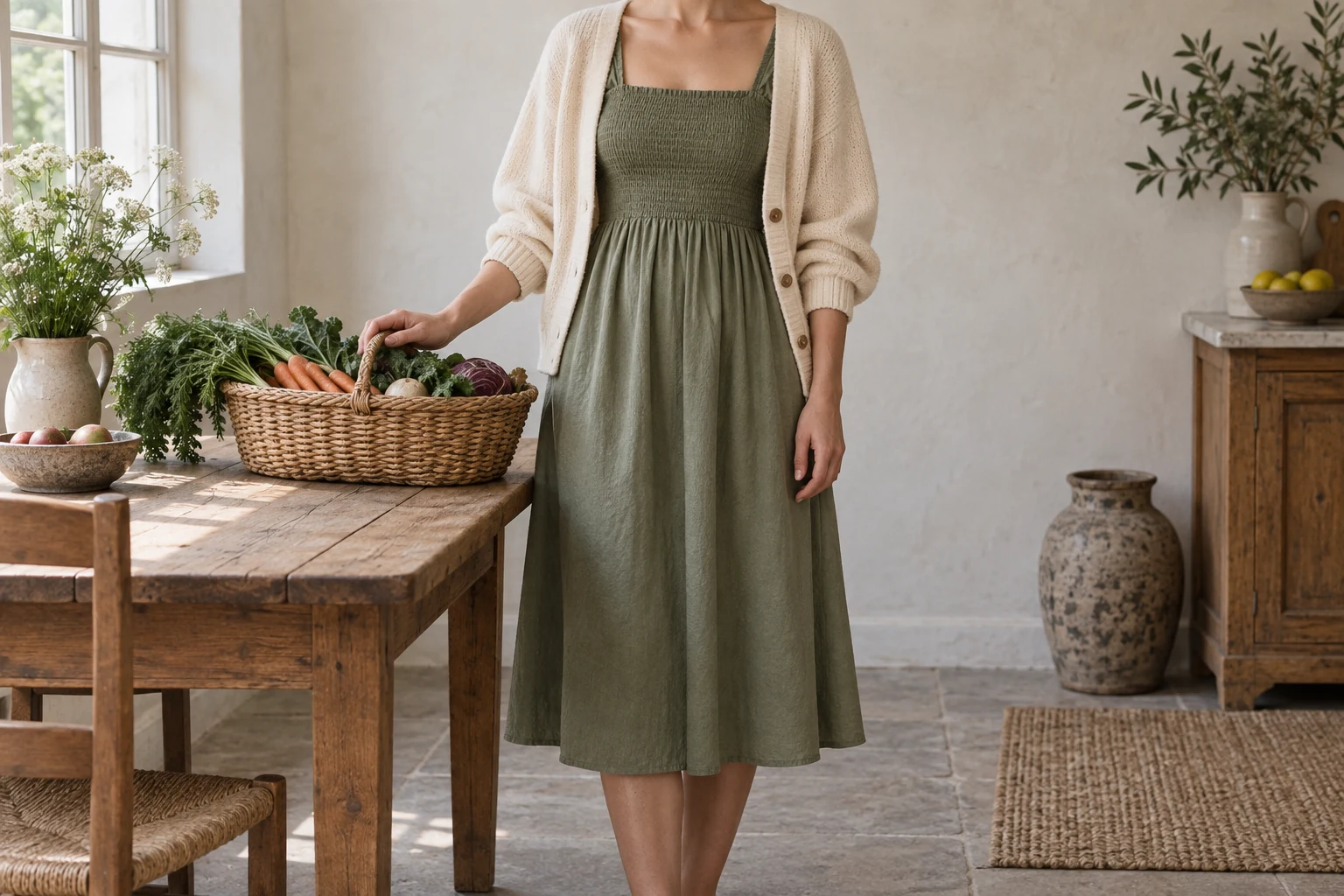
The anchor of most cottagecore outfits is the dress. The classic cottagecore dress is a midi or longer length in a small floral print, gingham or plain cotton, with puffed or gathered sleeves and a square or sweetheart neckline, sometimes called a milkmaid neckline. Many have a smocked or shirred bodice, where rows of elastic stitching gather the fabric so it hugs the ribs and then releases into a full skirt. Prairie dresses with high necks and ruffled hems belong here too, as do pinafores and apron dresses worn over a blouse.
Separates carry the look just as well and are often easier to wear. A white cotton blouse with puffed sleeves, a Peter Pan collar or lace trim at the cuffs is the single most useful piece. Add a full midi skirt in a floral or solid color, a soft knitted cardigan with small buttons, and a pair of loose linen trousers or denim overalls for days when you would rather not wear a skirt. Knitted vests and shawls add the handmade note that the style is built around.
Shoes and accessories should look as though you could walk down a dirt lane in them. Mary Janes, ballet flats, clogs and lace up leather boots all fit, as do simple canvas sneakers in summer. A woven straw basket or a canvas tote replaces a structured handbag. A cotton headscarf tied at the nape, a ribbon in the hair or a straw hat is enough; our guide on tying a scarf shows a few easy knots that work as a headscarf.
Colors, fabrics and proportions
The palette comes from a garden and a kitchen: cream, ivory and unbleached white, sage and moss green, butter yellow, dusty rose, faded blue, lavender, and warm browns. Prints are small and gentle, such as ditsy florals, sprigs, strawberries and fine checks. Gingham is a cottagecore staple, and if you are unsure where gingham ends and plaid begins, our explainer on gingham versus plaid sorts it out. Bright neon colors and large graphic prints pull the look toward other styles.
Fabric does most of the work. Cotton, linen, cotton lawn, eyelet (cotton with small embroidered holes), muslin, corduroy and wool knits all look natural and soften with wear. Shiny polyester with printed ruffles tends to look like a costume even when the cut is right, because the style depends on the slightly rumpled, lived in quality of natural fibers. If you are choosing between two similar dresses, pick the one in cotton or linen, and expect it to wrinkle a little; that is part of the charm.
The typical proportion is a fitted or gathered top with a full, swinging skirt that falls somewhere between the knee and the ankle. Volume goes into the sleeves and the skirt, while the waist is marked by smocking, a tie or an apron. When one element is voluminous, keep the other calm: a big sleeve with a straighter skirt, or a full skirt with a simple fitted knit. This balance is what separates a wearable outfit from a period costume.
Cottagecore outfits for real days
For a weekend market or a walk, wear a floral midi dress with a smocked bodice, a cream cardigan over the shoulders, and white canvas sneakers or leather sandals, with a straw basket for your shopping. In cooler weather swap the sneakers for lace up boots and add wool tights.
For the office, keep one romantic element and make the rest tidy. A white blouse with modest puffed sleeves tucked into a straight navy or brown midi skirt, with loafers or Mary Jane flats, reads as polished in most business casual settings. A fine knit cardigan in sage or oatmeal over a simple dress also works. Avoid visible aprons, tiered ruffles and very long prairie hems at work, which read as costume in most offices.
For a summer party or a daytime wedding, a cotton or linen dress in a soft floral with a flat sandal or low block heel suits the mood of an outdoor event; our guide to garden party attire covers how dressy to go. In winter, layer a chunky cardigan or a wool coat over a long sleeve cotton dress, add thick tights and boots, and let the knitwear carry the aesthetic.
Cottagecore for men exists too, and it is mostly a softer version of workwear. Think collarless or band collar shirts in white or striped cotton, knitted vests and cardigans, wide corduroy trousers or work pants in brown, olive or cream, suspenders, and leather boots. Florals appear on shirts or in a small scarf. The same rule applies: one romantic detail, grounded by plain, well worn basics.
| Occasion | Main piece | Finish with |
|---|---|---|
| Weekend market | Floral midi dress with a smocked bodice | Cream cardigan, canvas sneakers or sandals, straw basket |
| Office | White puff sleeve blouse tucked into a straight midi skirt | Loafers or Mary Jane flats, no aprons or ruffles |
| Summer party or daytime wedding | Cotton or linen dress in a soft floral | Flat sandal or low block heel |
| Winter | Long sleeve cotton dress | Chunky cardigan or wool coat, thick tights, boots |
| Men | Band collar shirt and corduroy or work trousers | Knitted vest, suspenders, leather boots |
How to wear it without looking like a costume
The fastest way to tip into costume is to wear every signature at once: puffed sleeves, prairie ruffles, an apron, a bonnet style hat and a basket. Choose one hero piece per outfit, usually the dress or the blouse, and let everything else be simple. Modern shoes, a normal bag and your everyday hair keep the look anchored in the present.
Denim is a helpful anchor. A puff sleeve blouse with straight leg jeans, or a floral dress with a denim jacket, keeps the romance and removes the sense of dressing up. Fit also matters more than it seems. A dress that is too long for you, dragging at the ankle, looks borrowed rather than chosen, and many cottagecore dresses are cut generously, so check the length against your own height before you buy.
Start from clothes you already own
Before buying anything, look through your wardrobe for pieces that already fit the mood. A plain white cotton shirt, any cardigan with small buttons, a floral dress you wear in summer, a denim skirt, brown boots and a canvas tote are enough to build several outfits. Wear the shirt with the sleeves rolled and the cardigan over it, and you are halfway there.
If you then want to add one piece, choose the thing that does the most work: usually a midi dress or a puff sleeve blouse in cotton, in a color that goes with what you already own. Secondhand shops are a natural source, since cottagecore values older, well made clothes, and vintage cotton dresses from the 1970s often share the prairie shapes. If you are still deciding whether this aesthetic is yours, our guide on finding your personal style helps you test it against how you actually live.
Questions people ask
Why is cottagecore popular with lesbian and queer women?
Many lesbian and queer women embraced cottagecore on Tumblr and TikTok, and commentators have suggested it offers a picture of a gentle domestic life, romance and femininity defined on their own terms rather than for anyone else. It is one strand of the aesthetic, not a requirement for wearing it, and plenty of people of every background enjoy the style.
Is cottagecore still in style?
The peak of online attention was in 2020 and 2021, but many of its pieces have simply become part of ordinary fashion: smocked dresses, puff sleeves, gingham, cardigans and Mary Janes appear every spring. Wearing those pieces in a simple way never looks dated, even if the label feels less new.
What is the difference between cottagecore and boho?
Cottagecore is tidier and more nostalgic: small florals, puffed sleeves, cardigans and a clear waist. Boho is looser and more eclectic, with flowing maxi dresses, fringe, layered jewelry and global prints. Both love natural fabrics, which is why a single linen dress can sit comfortably in either.
What shoes go with cottagecore outfits?
Mary Janes, ballet flats, clogs and lace up leather boots are the classic choices, with canvas sneakers or simple leather sandals in summer. Avoid very high heels and chunky athletic sneakers, which pull the outfit toward other styles. Brown, cream and black leather all work.
Sources and further reading
References used for this guide. Each opens the original page in a new tab.
Keep reading
Styles
Boho style: pieces, fabrics and how to wear it
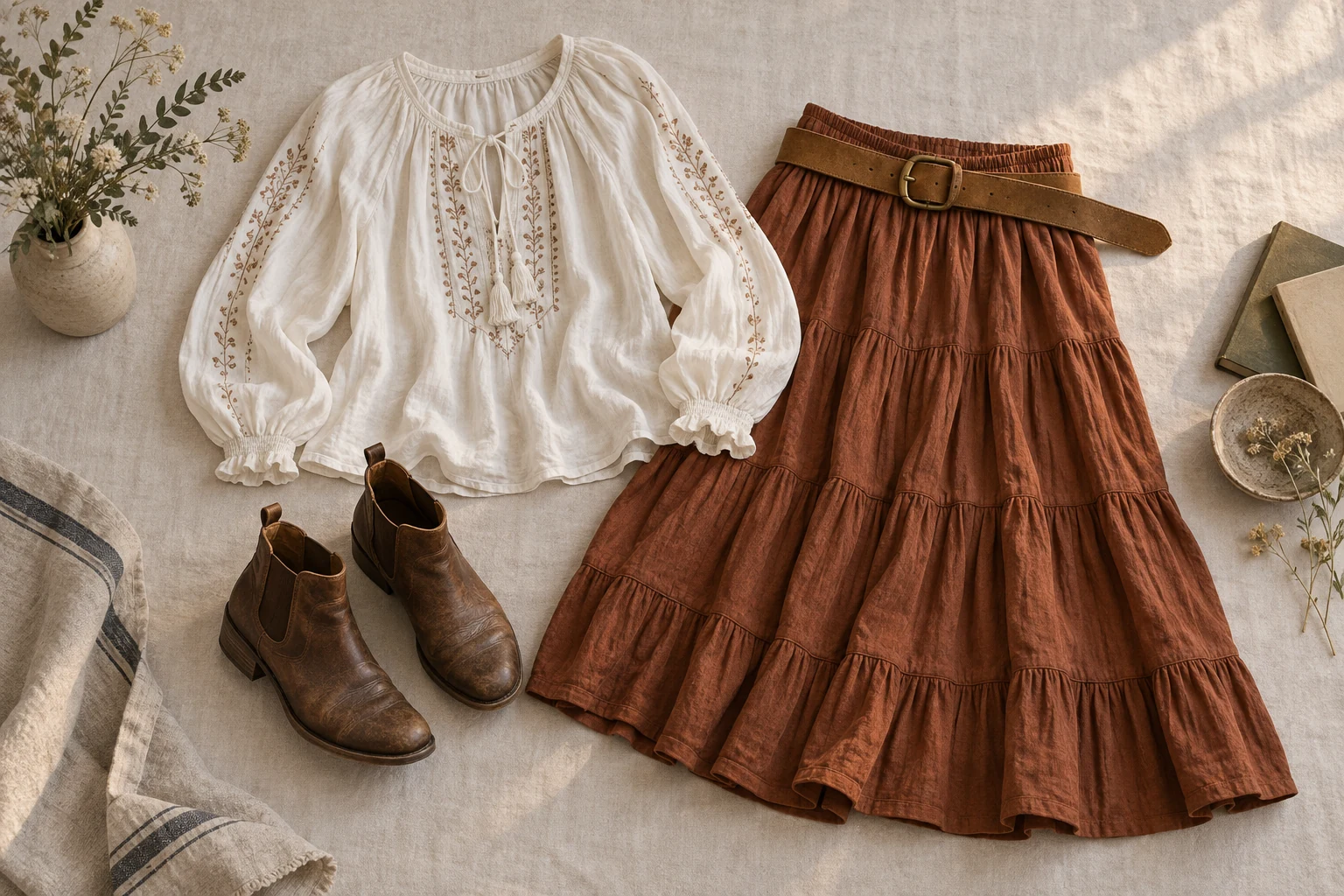
What boho style means, where it came from, the key pieces and fabrics of boho clothing, and outfits for everyday, weddings and every age without a costume look.
Styles
Dark academia fashion: pieces, palette and outfits
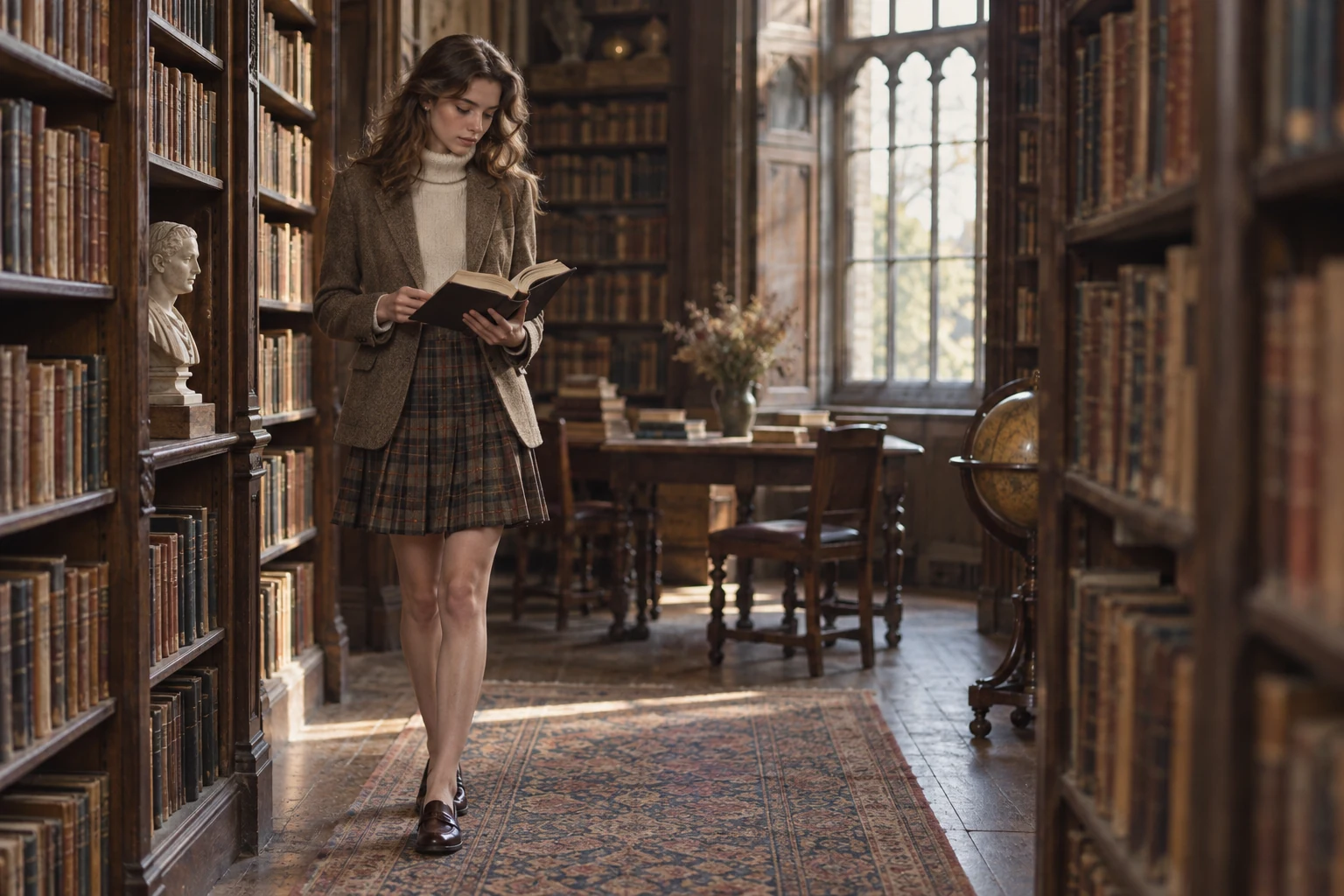
What the dark academia aesthetic is, where it came from, the clothes and colors that define it, and dark academia outfits for men and women you can wear today.
Styles
Coquette aesthetic: what it means and how to wear it
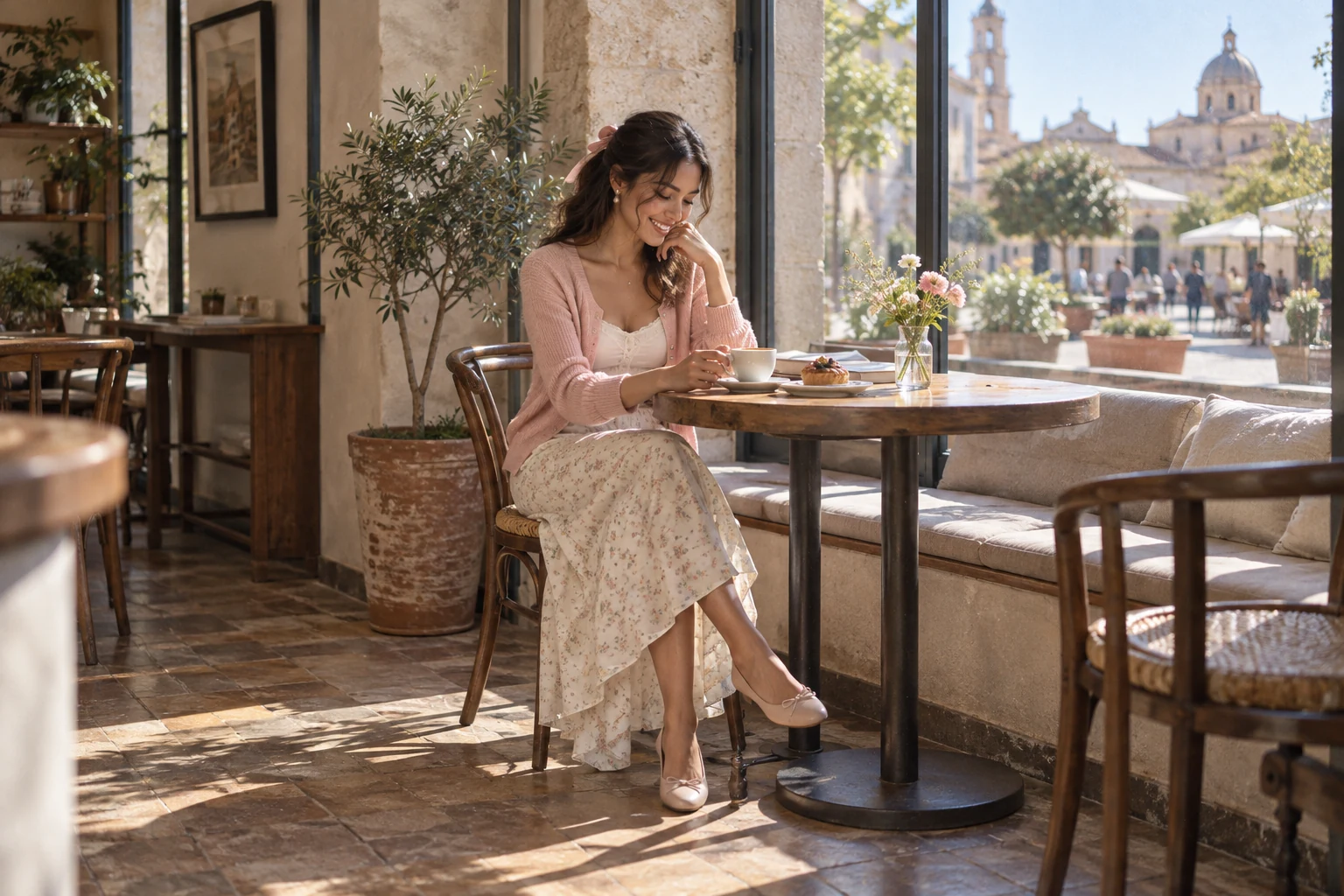
What coquette means, where the coquette aesthetic came from, the bows, lace and soft colors that define it, and how to wear coquette outfits as an adult every day.
Styles
French style: the everyday pieces behind it
What French style really means, the everyday pieces behind it from the Breton shirt to ballet flats, outfits to copy at any age, and how to avoid the beret cliché.
Everyday style
How to find your personal style, starting with your closet
How to find your personal style by studying the clothes you already wear most: what to notice, how to keep simple notes, and when a style quiz actually helps.