Hippie style: from the 1960s to now
In this guide
A music festival is coming up, or a 1960s theme party, or you simply feel a pull toward softer, freer clothes than the neat basics in your closet. Hippie style is one of the most recognizable looks of the last century, and also one of the easiest to overdo: a headband, round glasses, tie dye and fringe all at once reads as a costume in seconds.
This guide explains what hippie style actually was, the pieces and colors that define it, outfits for men and women, and how to wear it today so it looks like your own clothes. It starts with the history, because the look makes more sense once you know what those clothes were saying.
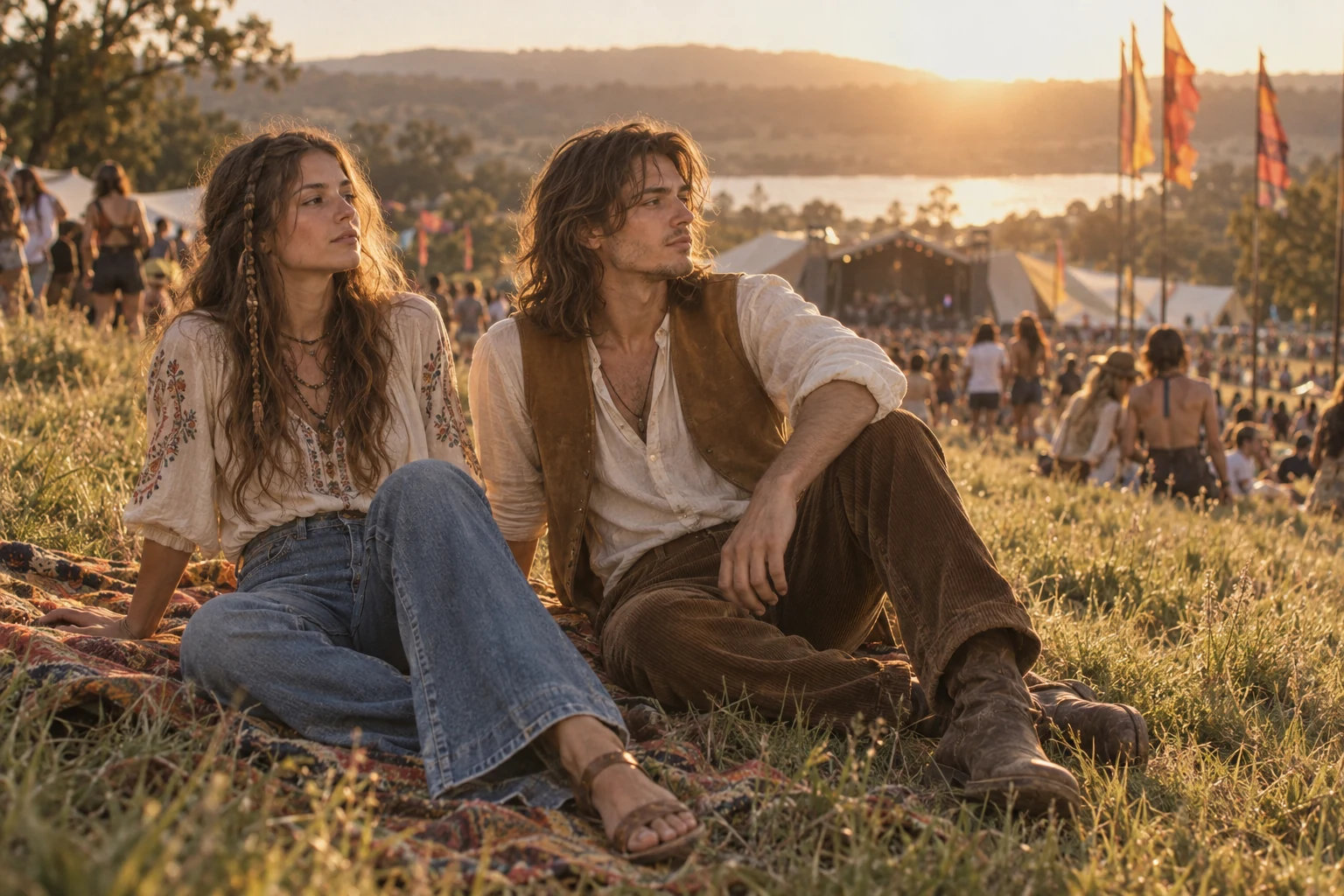
What is hippie style, and where did it come from?
The hippie movement grew in the mid 1960s among young Americans who rejected the conformity, consumerism and war of the time, and its center was San Francisco's Haight Ashbury neighborhood. The Human Be In in Golden Gate Park in January 1967 and the Summer of Love that year made it national news, and the Woodstock festival in Bethel, New York, in August 1969 drew hundreds of thousands of people and became the defining image of the era. Clothing was part of the message. Suits, girdles, short back and sides haircuts and freshly bought matching outfits stood for the world they were leaving.
So hippies dressed in handmade, secondhand and borrowed clothes, often in bright colors and psychedelic patterns, and both men and women grew their hair long. The look drew on thrift store finds such as frock coats, kaftans, corduroy trousers and cowboy boots, on military surplus jackets worn without their original meaning, and on traditional clothing from India, Nepal, Morocco, Bali and parts of Africa that travelers brought back. By the early 1970s much of it had been absorbed into mainstream fashion, which is why flares and embroidered tops feel equally at home in 1970s fashion.
The core pieces of hippie clothing
The pieces most people picture come straight from the late 1960s. Flared or bell bottom jeans, often frayed, patched or embroidered, are the foundation for everyone. Tops were loose: tie dye T shirts, work shirts, peasant blouses with gathered necklines, embroidered tunics and kaftans. Layers included fringed suede jackets and vests, ponchos, knitted or crocheted cardigans and military surplus jackets. Women wore long flowing skirts and maxi dresses, often in Indian cotton prints, and many men wore their shirts open at the collar with beads or a medallion.
Accessories carried much of the identity: love beads, peace symbol pendants, headbands and bandanas worn low across the forehead, round wire glasses, chain or woven belts, fringed shoulder bags and flowers in the hair. Footwear was simple and walkable: leather sandals, moccasins, cowboy boots, or bare feet. A few details should be approached with care. Sacred items such as feathered headdresses belong to specific Indigenous nations and are not a style accessory; if you love beadwork or moccasins, buying from Native artists and makers is the respectful route.
| Category | Classic pieces |
|---|---|
| Bottoms | Flared or bell bottom jeans, often frayed, patched or embroidered; long flowing skirts |
| Tops | Tie dye T shirts, work shirts, peasant blouses, embroidered tunics, kaftans |
| Layers | Fringed suede jackets and vests, ponchos, crochet cardigans, military surplus jackets |
| Accessories | Love beads, headbands, bandanas, round wire glasses, woven belts, fringed bags |
| Footwear | Leather sandals, moccasins, cowboy boots or bare feet |
Sacred items such as feathered headdresses belong to specific Indigenous nations and are not accessories.
Colors, patterns and fabrics
Hippie color runs in two directions. One is psychedelic: saturated orange, magenta, turquoise, purple and yellow, swirled together in tie dye, paisley and bold florals that echoed the concert posters and light shows of the time. The other is earthy: undyed cotton, rust, mustard, olive, brown suede and faded denim. Most wearable modern outfits lean earthy and add one bright or patterned piece.
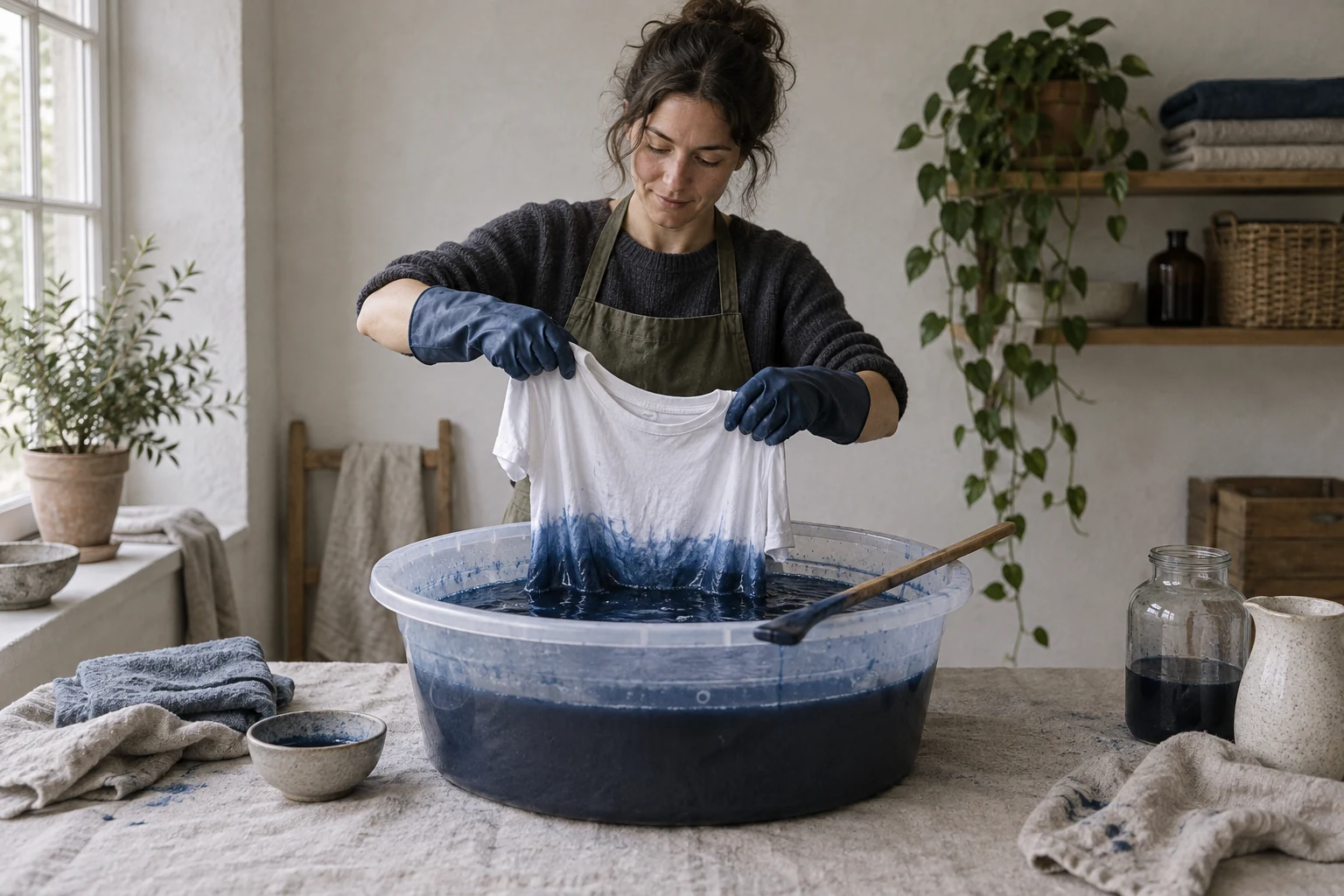
Fabrics are natural and soft: cotton gauze, cheesecloth, denim, corduroy, suede, cotton voile prints, crochet and chunky knits. Texture matters as much as color, so embroidery, patchwork, fringe and visible handwork are signature details. Tie dye itself is an old resist dyeing technique, and making your own is very much in the spirit of the style; our guide to dyeing clothes at home covers the basics and the dyes that work on cotton.
Hippie outfits for women
A classic female hippie outfit starts with high waisted flared jeans and a white or cream peasant blouse, finished with leather sandals, a woven belt and a few thin bead necklaces. For warmer days, try a long printed cotton maxi dress with a crochet cardigan or a denim jacket and flat sandals. For cooler weather, a suede fringe jacket over a plain knit top and flares, with low heeled boots, carries the look without leaning too hard.
Keep hair and makeup natural, which was the point in the first place. A headband or a bandana is best on its own, without round glasses and a peace sign in the same outfit. If you want to layer jewelry, our guide to layering necklaces shows how to mix lengths so beads look relaxed rather than heavy. Every one of these outfits works at any age and on any body; a long, easy dress and flared trousers are simply comfortable shapes to live in.
Hippie style for men
Hippie style for men is mostly about relaxing the usual uniform. Swap slim jeans for a straight or gently flared pair in faded denim or corduroy, and wear it with a loose work shirt, a collarless linen or gauze shirt, or a patterned shirt with a band collar. A suede or corduroy jacket, a chunky cardigan or an embroidered vest goes on top, and leather sandals, moccasin style shoes or worn cowboy boots finish it. Our guide to types of jeans explains the difference between bootcut and true flares.
Add one piece of jewelry, such as a single bead strand, a leather cord pendant or a woven bracelet, and let your hair do what it does. A tie dye T shirt is fine under an open overshirt or with plain jeans, but combine it with flares, beads and a headband and the outfit turns into a theme party. For a festival or a summer evening, a light shirt, soft trousers and sandals feel right without saying so too loudly.
Modern hippie style without the costume
The easiest rule is one statement piece per outfit. Choose the fringe jacket, the tie dye, the embroidered blouse or the flares, then build the rest from plain, well fitting basics in natural colors. A patterned maxi dress with white sneakers and a denim jacket reads current; the same dress with a floral crown, a peace sign and round glasses reads as a costume. Mixing one hippie piece with something clearly modern, like a clean leather tote or minimal sneakers, is what keeps it looking like clothing.
Hippie style and boho are close cousins but not the same thing. Hippie dress was part of a counterculture and deliberately unpolished, with tie dye, protest symbols and very long hair, while boho borrows the shapes and textures and wears them more polished and eclectic. If you want the softness without the history, our guide to boho style is the gentler version. For a festival, the practical side matters too: comfortable shoes, layers for the cold night and a bag that closes, as in our guide on what to wear to a concert.
How to dress like a hippie from your own closet
Before buying anything, look for what you already own. Faded jeans, a denim or chore jacket, a plain white T shirt, a loose linen shirt, a long skirt, leather sandals and any handmade jewelry are already most of the way there. Add one secondhand find, such as a suede jacket, an embroidered blouse or a pair of flares, and the look comes together.
Secondhand is also the most authentic source. Thrift and vintage stores carry real 1970s pieces and good copies, often in better fabrics than new festival ranges. Mend a tear with visible stitching or add a patch instead of throwing a garment out. That habit of repairing and reusing clothes is the part of hippie style that has aged best, and it costs nothing.
Common mistakes
Wearing every symbol at once
Headband, peace sign, round glasses, tie dye and fringe together is a costume. Pick one or two and keep the rest plain.
Treating sacred items as accessories
Feathered headdresses and similar ceremonial pieces carry specific meaning for Indigenous nations. Leave them out, and buy beadwork from the makers.
Choosing stiff synthetic versions
The look depends on soft, natural fabrics that move. Shiny polyester fringe and printed fake patchwork flatten it.
Questions people ask
What is the difference between boho and hippie style?
Hippie style came from the 1960s counterculture and carried a message, with tie dye, protest symbols, secondhand clothes and very long hair. Boho takes the flowing shapes and craft details of that era and wears them more polished, often mixed with luxury fabrics and ordinary basics. In short, hippie is rawer and more political, boho softer and more eclectic.
How do I dress like a hippie for a 60s theme party?
Here you can lean in: flared jeans, a tie dye or embroidered top, a fringe vest, beads, a headband and sandals. Round glasses and flowers in your hair finish it. Most of it can come from thrift stores, and it will look more convincing than a packaged costume.
Is hippie style still in fashion?
Its pieces keep returning, especially flared jeans, crochet, suede and fringe, which designers revisit every few years through the lens of the 1970s. Worn one piece at a time, it looks current. The full head to toe look belongs to festivals and theme parties.
What shoes go with hippie style?
Flat leather sandals are the classic, followed by moccasin style shoes, suede ankle boots and worn cowboy boots. Simple canvas sneakers work for a modern version. Avoid anything sleek and pointed, which fights the relaxed shape of the clothes.
Sources and further reading
References used for this guide. Each opens the original page in a new tab.
Keep reading
Styles
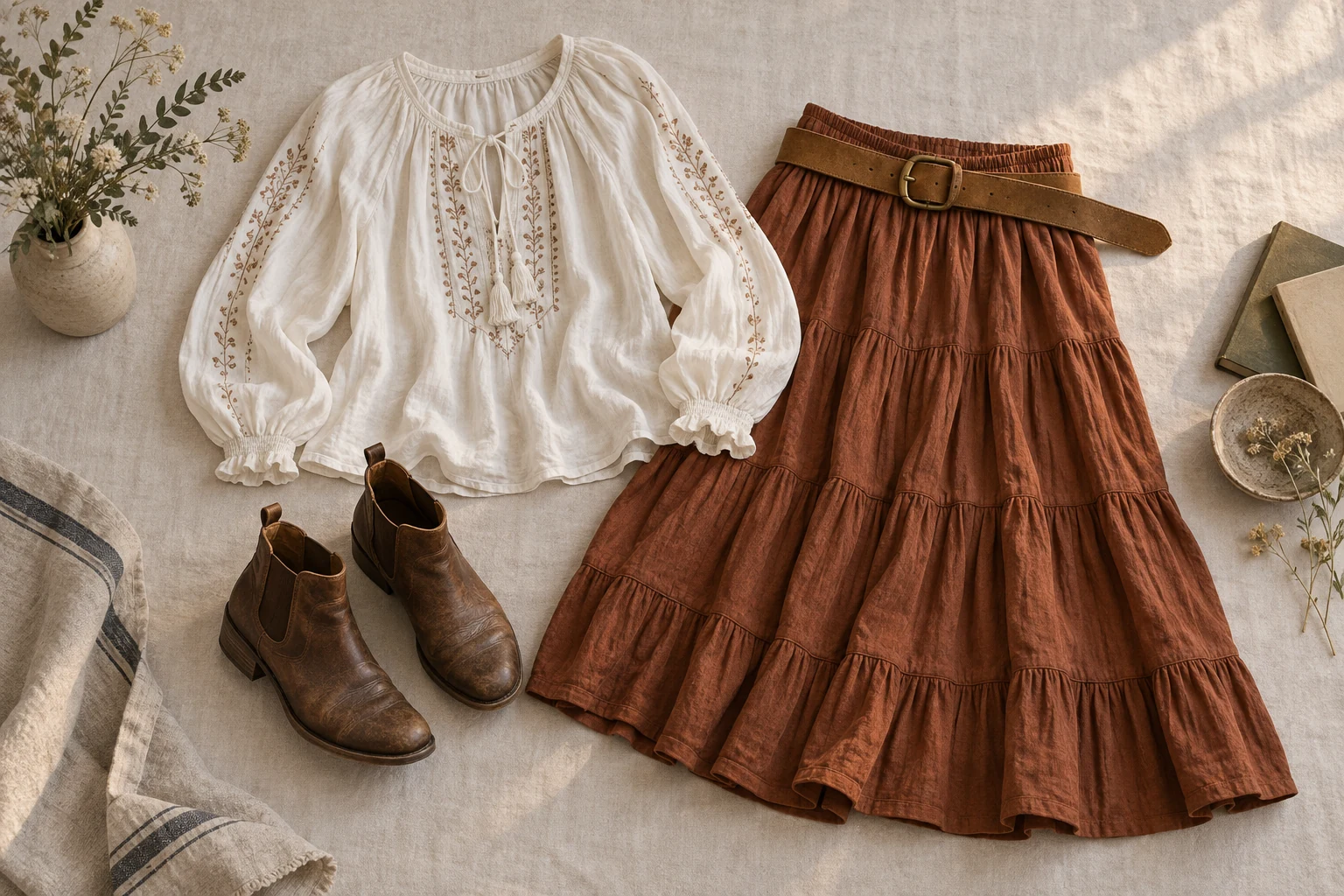
Boho style: pieces, fabrics and how to wear it
What boho style means, where it came from, the key pieces and fabrics of boho clothing, and outfits for everyday, weddings and every age without a costume look.
Styles
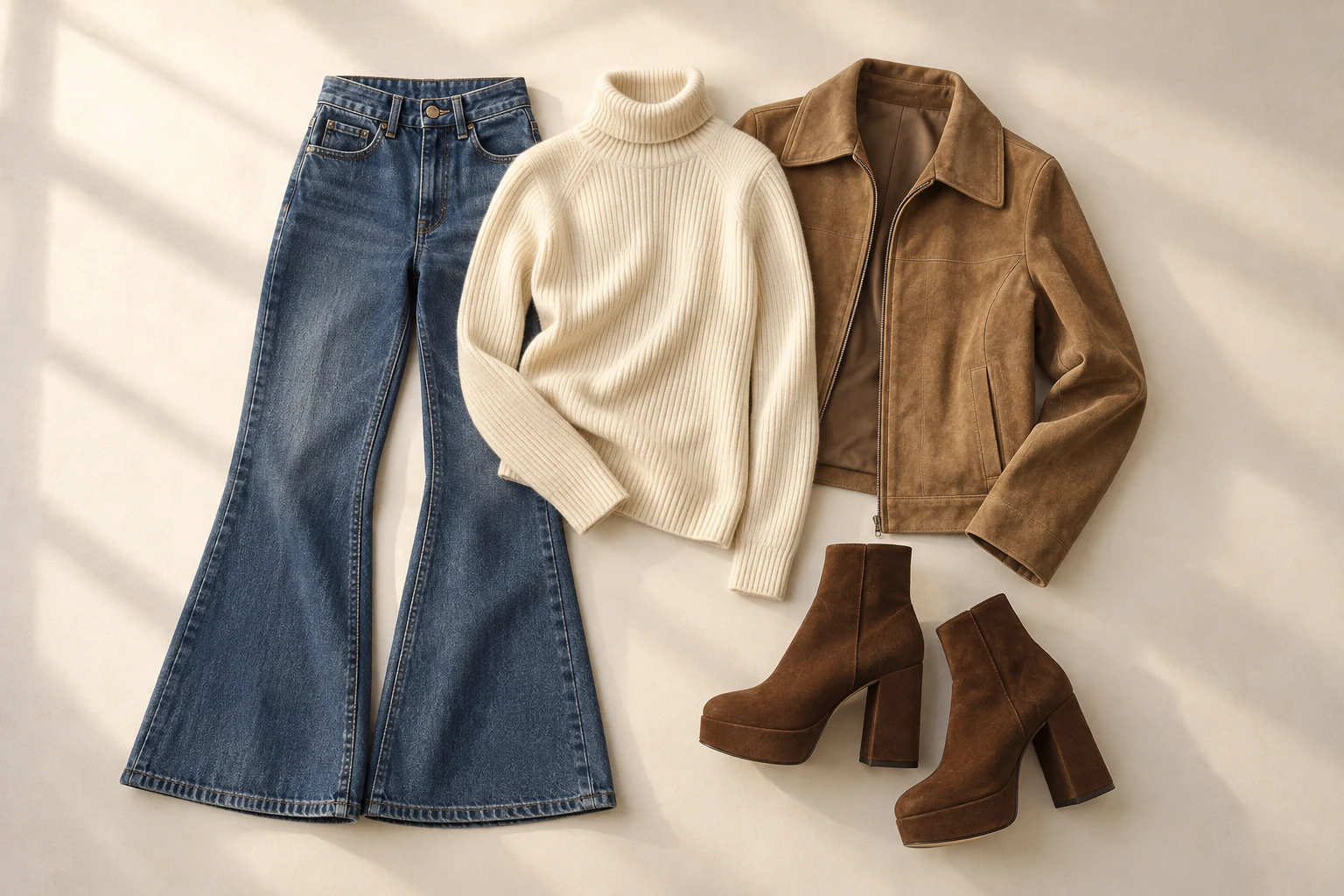
70s fashion: the looks and how to wear them now
The main looks of 70s fashion for women and men, from hippie and prairie to disco and punk, with party outfits and ways to wear the decade with normal clothes.
Everyday style
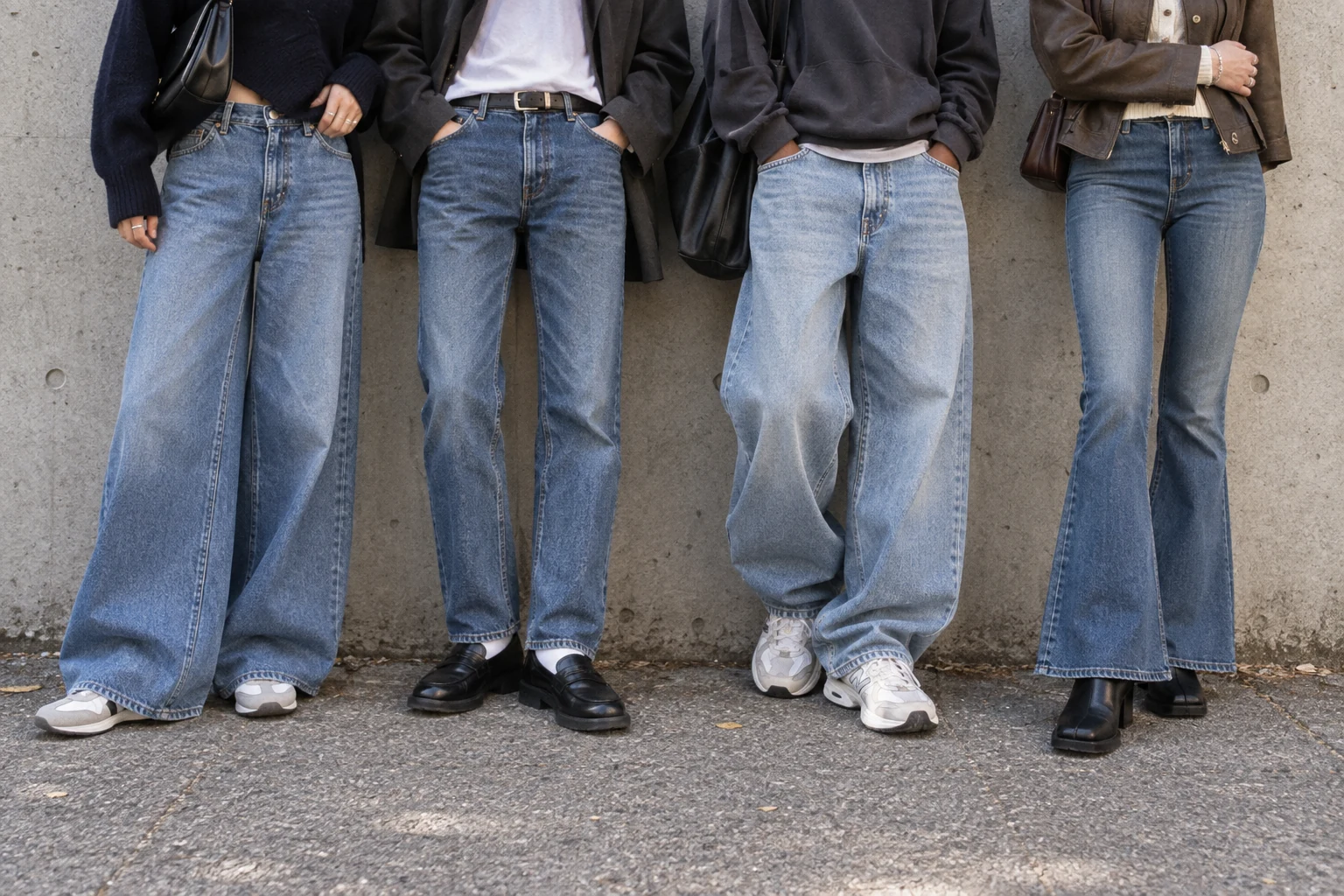
Types of jeans: fits and cuts explained
The main types of jeans explained: rise, skinny to baggy leg shapes, bootcut, flare, wide leg, mom and boyfriend jeans, with what each suits and how to wear it.
Washing and ironing
How to dye clothes at home
How to dye clothes at home: check the fiber, choose the right dye, and dye evenly in a bucket, washer or pot. Covers black, permanence and cleaning up after.
Styles
Grunge style: how to wear it without a costume
Where grunge style came from, the core clothes for men and women, and how to wear 90s grunge fashion today so it looks lived in, not like a costume.