What is flannel fabric
In this guide
In October someone says grab a flannel, and everybody knows they mean a soft checked shirt. A tailor says gray flannels, and they mean smooth wool trousers with no check at all. A British friend says flannel and hands you a washcloth. The word covers a lot of ground, so the answer to what is flannel starts with the cloth itself, not the pattern people picture.
This guide explains what flannel fabric actually is, how it is made soft, the difference between flannel and plaid, the main types from cotton shirts to wool suiting, how to wear it, and how to wash it so it stays soft instead of pilling or shrinking.
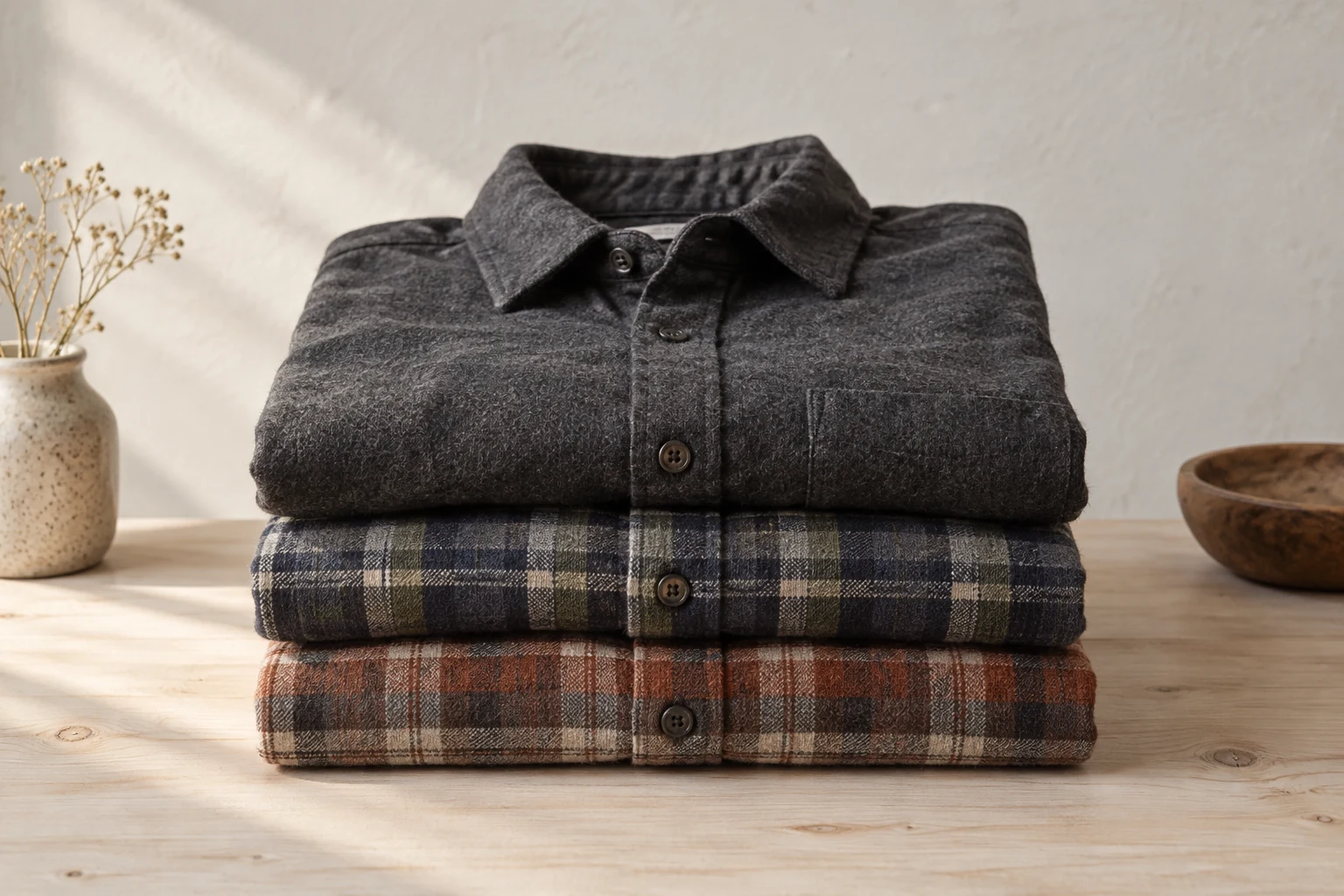
What flannel is and how it is made
Flannel is a soft, medium weight woven fabric with a napped surface, meaning fine fibers have been raised from the yarns so the cloth feels fuzzy and warm. The nap usually comes from brushing: after weaving, the fabric passes over rollers covered in fine metal bristles that tease fibers up from the surface. Some flannel is brushed on one side, better flannel on both. Other flannels are made with loosely spun yarns that give a similar softness without heavy brushing. The weave underneath can be plain or twill; twill flannel tends to be denser and drapes better.
What makes flannel flannel, then, is the finish and the soft yarn, not the fiber or the pattern. The cloth has roots in Wales, where a napped wool fabric was made from at least the sixteenth and seventeenth centuries, and the name is thought to come from a Welsh word for wool. Cotton flannel took over for shirts and bedding in the twentieth century, and today most flannel shirts are 100% cotton. Wool and wool blend flannel is still the classic cloth for tailored trousers and winter suits.
Flannel vs plaid
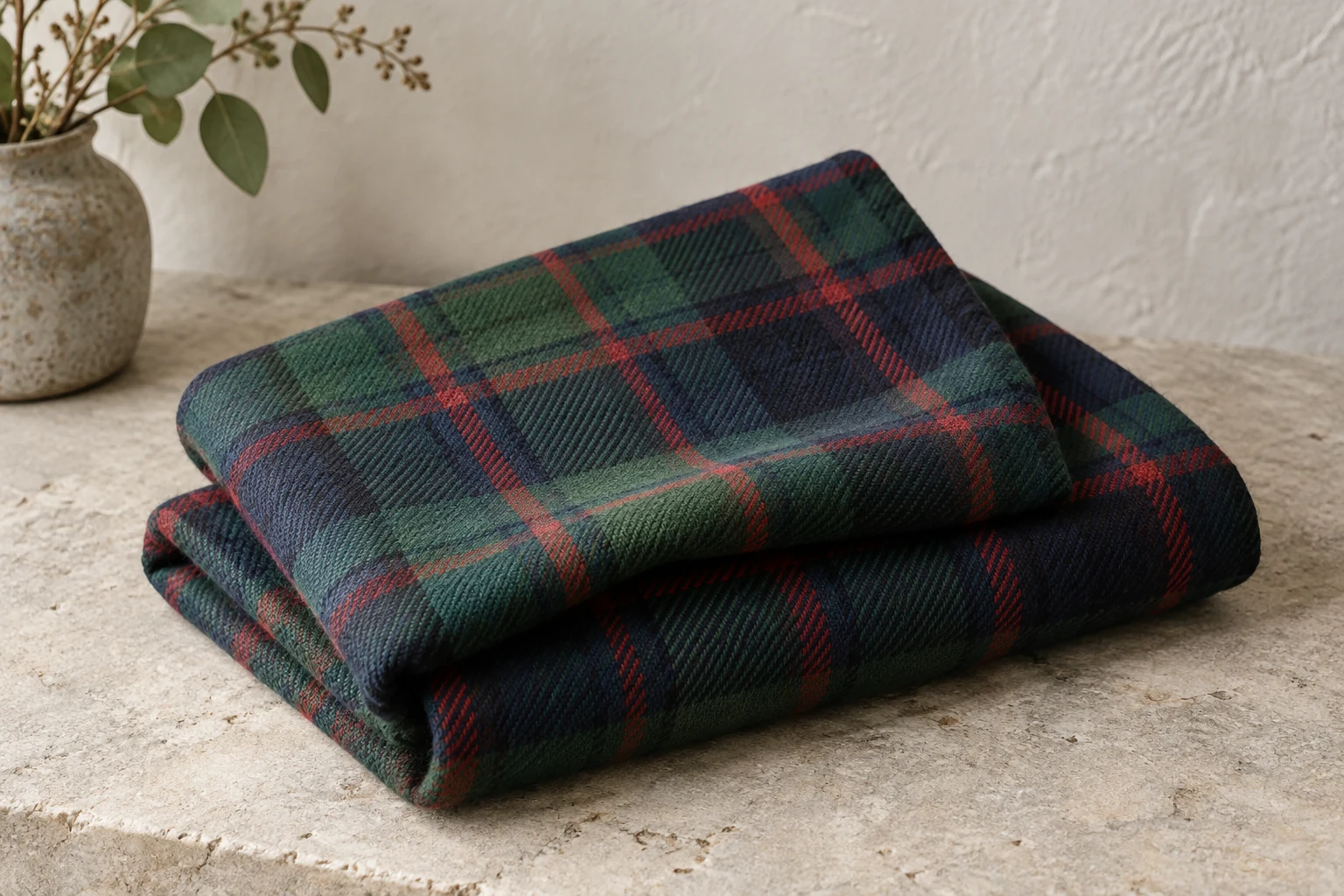
Flannel is a fabric; plaid is a pattern. The confusion comes from the most popular flannel shirt, the checked one worn by loggers, hunters and later by 1990s grunge bands, until flannel and plaid became almost synonyms in American speech. But not every flannel shirt is plaid (solid gray, navy and olive flannels are common), and not every plaid shirt is flannel: a crisp cotton poplin or a madras shirt can carry a plaid pattern with no nap at all.
The easy test is touch. Rub the fabric between thumb and finger; flannel feels fuzzy and soft on the surface and looks slightly blurred at the edges of the pattern. A plain woven plaid shirt feels smooth and shows crisp lines. If you want the pattern side of the story, our guides to gingham vs plaid and plaid vs tartan explain the differences between checks.
Types of flannel
Cotton flannel is the soft, brushed cloth of shirts, pajamas and winter sheets. Weight varies a great deal: a lightweight flannel shirt works as a shirt on its own, while heavyweight flannel, sometimes lined with quilting or fleece, is really a shirt jacket. Flannelette is a lighter, usually cheaper cotton flannel brushed on one or both sides, common in nightwear and baby clothes.
Wool flannel is a different animal. It is woven from soft woolen or worsted yarn and then lightly fulled and brushed, which gives a matte, slightly misty surface with little visible weave. Gray wool flannel trousers are a menswear staple, and a flannel suit or blazer is a softer, warmer alternative to smooth worsted suiting. Wool flannel also appears in women's tailored trousers, skirts and coats. Synthetic and blended flannels exist too; polyester blends resist wrinkles and shrinkage but breathe less and tend to pill. If you want the dense, softer look, check whether a cotton flannel is twill woven; our guide to twill explains why that matters.
| Type | What it is | Used for |
|---|---|---|
| Cotton flannel | Soft brushed cotton, plain or twill | Shirts, pajamas, winter sheets |
| Heavyweight flannel | Thick cotton, sometimes quilted or fleece lined | Shirt jackets |
| Flannelette | Lighter, cheaper cotton brushed on one or both sides | Nightwear and baby clothes |
| Wool flannel | Woolen or worsted yarn, lightly fulled and brushed | Tailored trousers, suits, skirts, coats |
| Synthetic blends | Polyester mixed in | Resist wrinkles but breathe less and pill |
How warm flannel is, and when it is too hot
Flannel is warmer than ordinary cotton of the same weight because the brushed nap traps a layer of still air next to the body. A flannel shirt is comfortable roughly from the low 40s to the low 60s °F (about 5 to 16°C) as a shirt or light outer layer, depending on weight and what you wear over it. Wool flannel is warmer still and keeps some warmth when damp.
Fleece, a knitted polyester fabric with a thick pile, is warmer for its weight than cotton flannel and dries faster, which is why it is the usual choice for outdoor mid layers. Flannel breathes better, feels less synthetic and looks more like a shirt. In summer, most flannel is too hot. A lightweight cotton flannel can work on a cool summer evening or at a mountain campsite, but for heat choose linen, seersucker or chambray. Our guide to what to wear in 50 degree weather shows where flannel fits in a layering plan.
How to wear a flannel shirt and wool flannel
A flannel shirt works in three ways. Buttoned and tucked into chinos or dark jeans with a belt and boots, it is a neat casual shirt. Open over a plain T shirt, it acts as a light jacket; this is the classic relaxed look and the one tied to grunge. Under a crew neck sweater or a quilted vest, with just the collar showing, it adds pattern to a winter outfit. For women, an oversized flannel shirt works open over a fitted top with straight jeans, belted over leggings, or tied at the waist over a dress; a cropped or fitted flannel can be tucked into a skirt with tights and boots.
To avoid a costume, keep one strong pattern at a time and let the rest of the outfit be plain, and pick colors that suit your wardrobe rather than the brightest red buffalo check. Wool flannel belongs in smarter outfits: gray flannel trousers with a navy blazer, an oxford shirt and loafers are one of the most useful combinations in menswear, and a flannel suit reads warmer and softer than a worsted one at a winter office or dinner. Pair wool flannel with other textured cloths, such as tweed, knitwear or corduroy, rather than shiny fabrics.
How to wash flannel so it stays soft
Cotton flannel is low maintenance and gets softer with washing, but the nap needs gentle treatment. Wash it inside out in cold or cool water, on a normal or gentle cycle, with other soft fabrics rather than denim or zippers that abrade the surface. Go easy on fabric softener, which leaves a coating on the nap and is not needed for softness. Tumble dry on low and take it out while slightly damp, or hang it to finish. High heat shrinks cotton flannel and roughens the nap. Most flannel shirts do not need ironing; a quick steam fixes the collar.
Wool flannel trousers and suits are usually dry clean only because of their structure, but you can extend the time between cleanings by brushing them after wear and airing them on a hanger. For wool flannel shirts and loose pieces with a washable label, follow our guide to washing wool. Pilling appears on almost every flannel eventually, especially at the elbows and under the arms; a fabric shaver removes it, as our guide to removing pilling explains.
Common mistakes
Drying on high heat
Cotton flannel can shrink noticeably in a hot dryer, and the nap turns harsh. Use low heat and remove it while still slightly damp.
Washing with towels and jeans
Rough fabrics and zippers rub the brushed surface and cause pilling. Wash flannel inside out with other soft clothes.
Buying on pattern alone
A plaid shirt is not necessarily flannel. Feel the surface: real flannel is fuzzy and dense, and a thin, lightly brushed shirt will pill and wear through quickly.
Questions people ask
Is all flannel 100% cotton?
No. Most flannel shirts are 100% cotton, but flannel was originally wool, and wool flannel is still used for tailored trousers and suits. There are also polyester and blended flannels, which are cheaper and more wrinkle resistant but pill more and breathe less.
What do Americans call flannels?
In the United States, a flannel usually means a flannel shirt, very often a plaid one. In British English a flannel is also a small washcloth, and flannels can mean wool flannel trousers.
Is flannel warmer than fleece?
Weight for weight, fleece is usually warmer and dries faster, which is why it is common for hiking and outdoor layers. Flannel breathes better and looks more like a shirt. Many people wear a flannel shirt under a fleece or a jacket on cold days.
Does flannel shrink?
Cotton flannel can shrink, particularly in its first few washes and in a hot dryer. Many makers preshrink their cloth, but it is still wise to wash in cold water and dry on low. Wool flannel shrinks and felts with hot water and agitation, so follow the care label.
Sources and further reading
References used for this guide. Each opens the original page in a new tab.
Keep reading
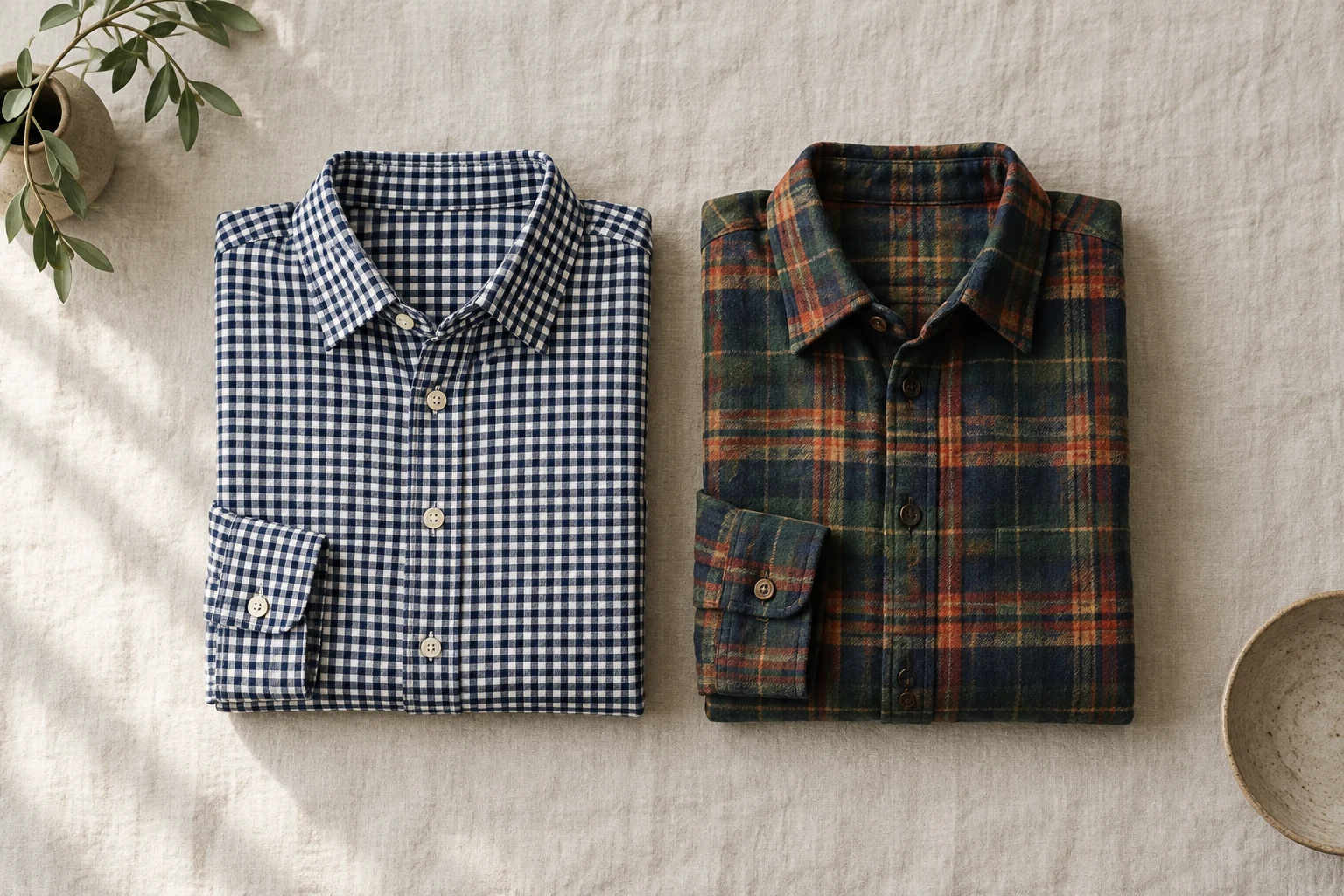
Fabrics
Gingham vs plaid: how to tell checks apart
Gingham vs plaid explained: how to tell the two checks apart in seconds, where tartan and flannel fit in, and how to wear gingham and plaid, even together.
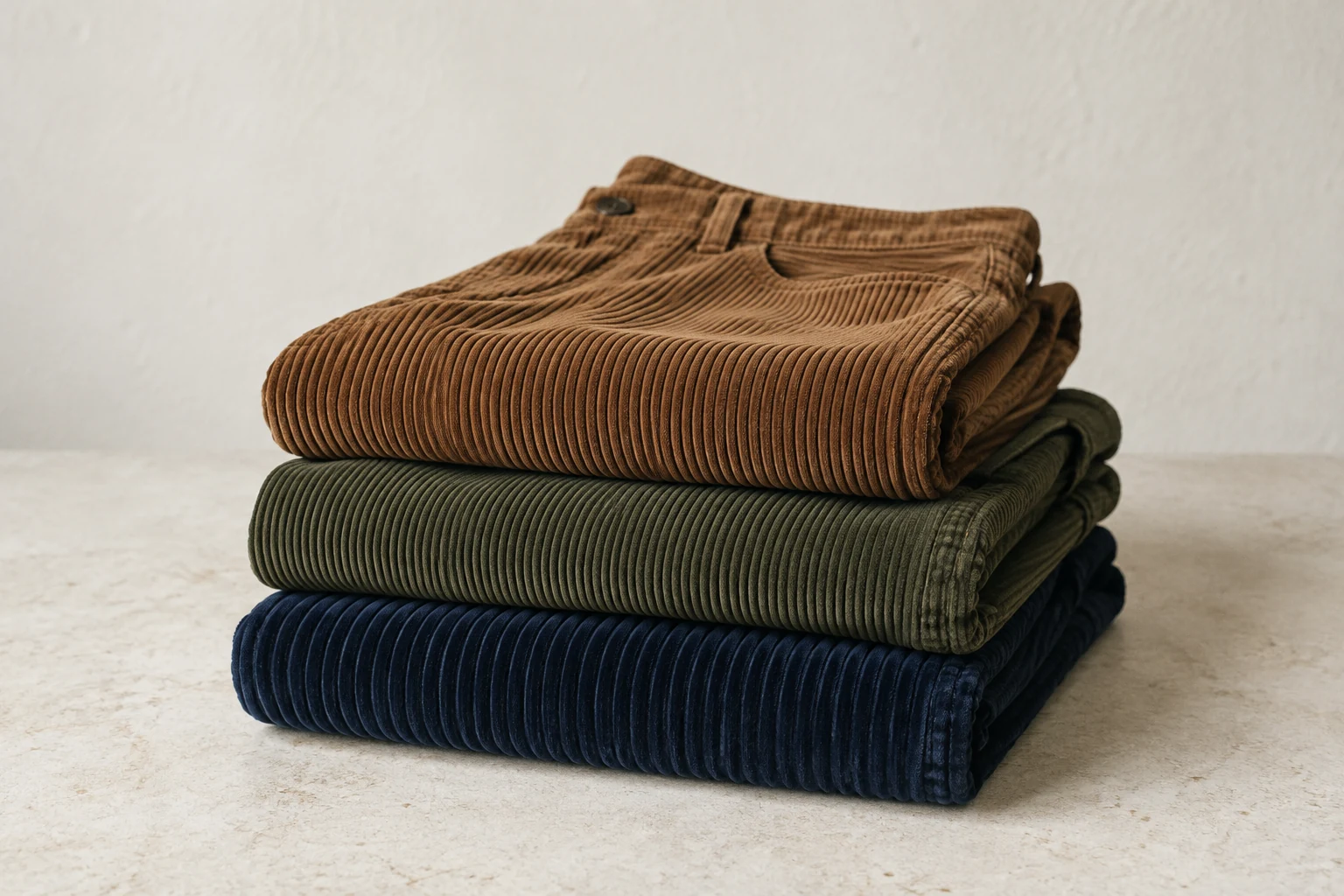
Fabrics
Corduroy: wales, care and how to wear it
What corduroy is, how wale counts change the look, how to wear corduroy pants and jackets without looking dated, and how to wash it without flattening the pile.
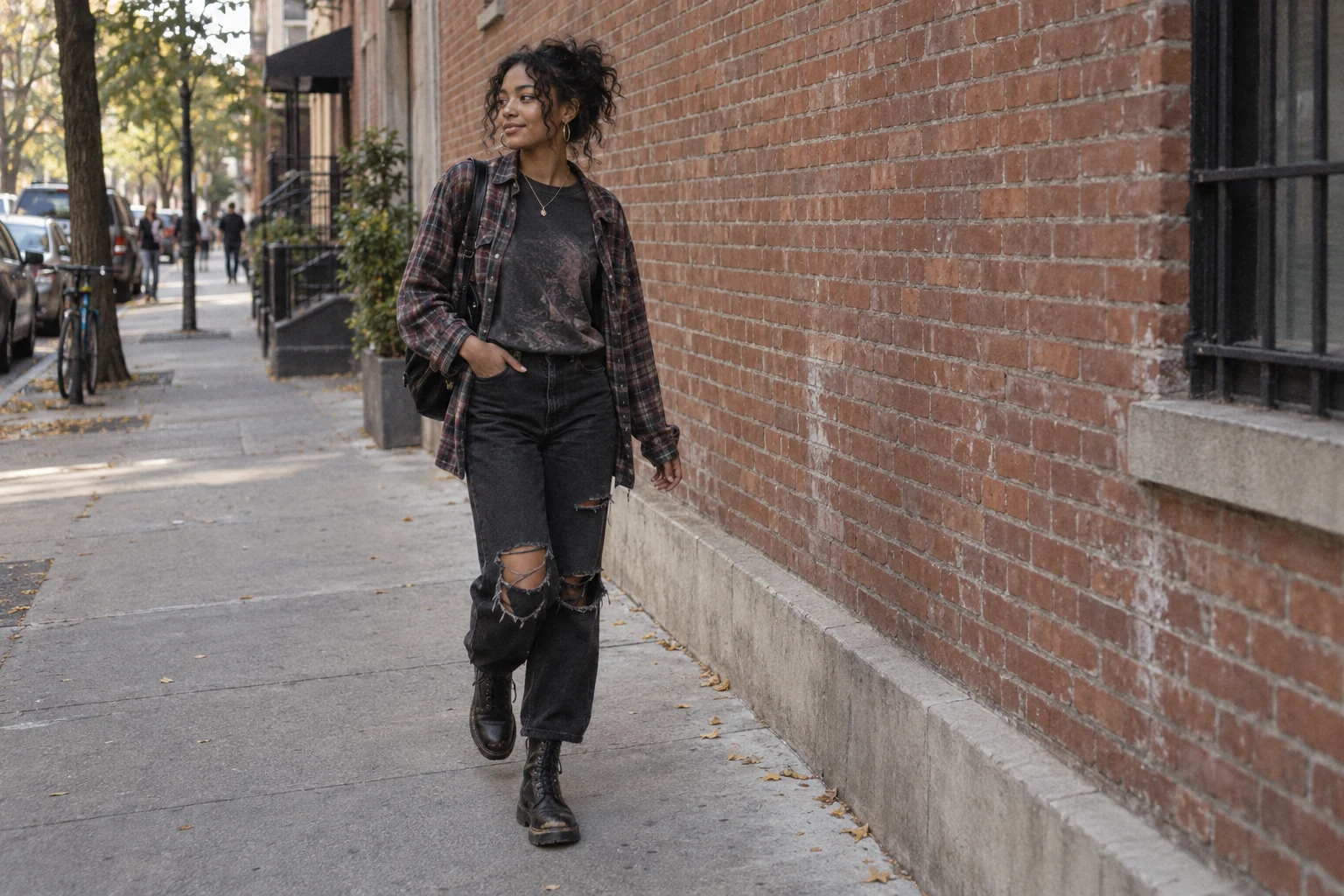
Styles
Grunge style: how to wear it without a costume
Where grunge style came from, the core clothes for men and women, and how to wear 90s grunge fashion today so it looks lived in, not like a costume.
Fabrics
Plaid vs tartan: what is the difference
Plaid vs tartan explained: what each word means in Scotland and North America, how a real tartan is built, who may wear one, and how to wear plaid well.
Weather
What to wear in 50 degree weather
50°F can feel like spring in the sun and like late fall in the wind. How to match the jacket to the day, what to wear under it, and outfits for men and women.