What to wear in the rain, warm or cold
In this guide
Rain against the window at seven in the morning, and a full day ahead: a commute, a meeting, maybe dinner out. Knowing what to wear in the rain is less about owning special gear than about sorting what you already have into pieces that shed water and pieces that drink it. A good raincoat does most of the work, but wet hems, soaked shoes and a cotton shirt that stays damp all afternoon are what actually make a rainy day miserable.
This guide starts with the outer layer, because that is where the most confusion lies, then moves down to pants and shoes, and ends with outfits for three kinds of rainy day: a warm summer downpour, a cool spring drizzle and a cold, wet workday. If the temperature is the bigger question, pair it with our guides to 50 degree weather or 80 degree weather.
Waterproof or water resistant: choose the right raincoat
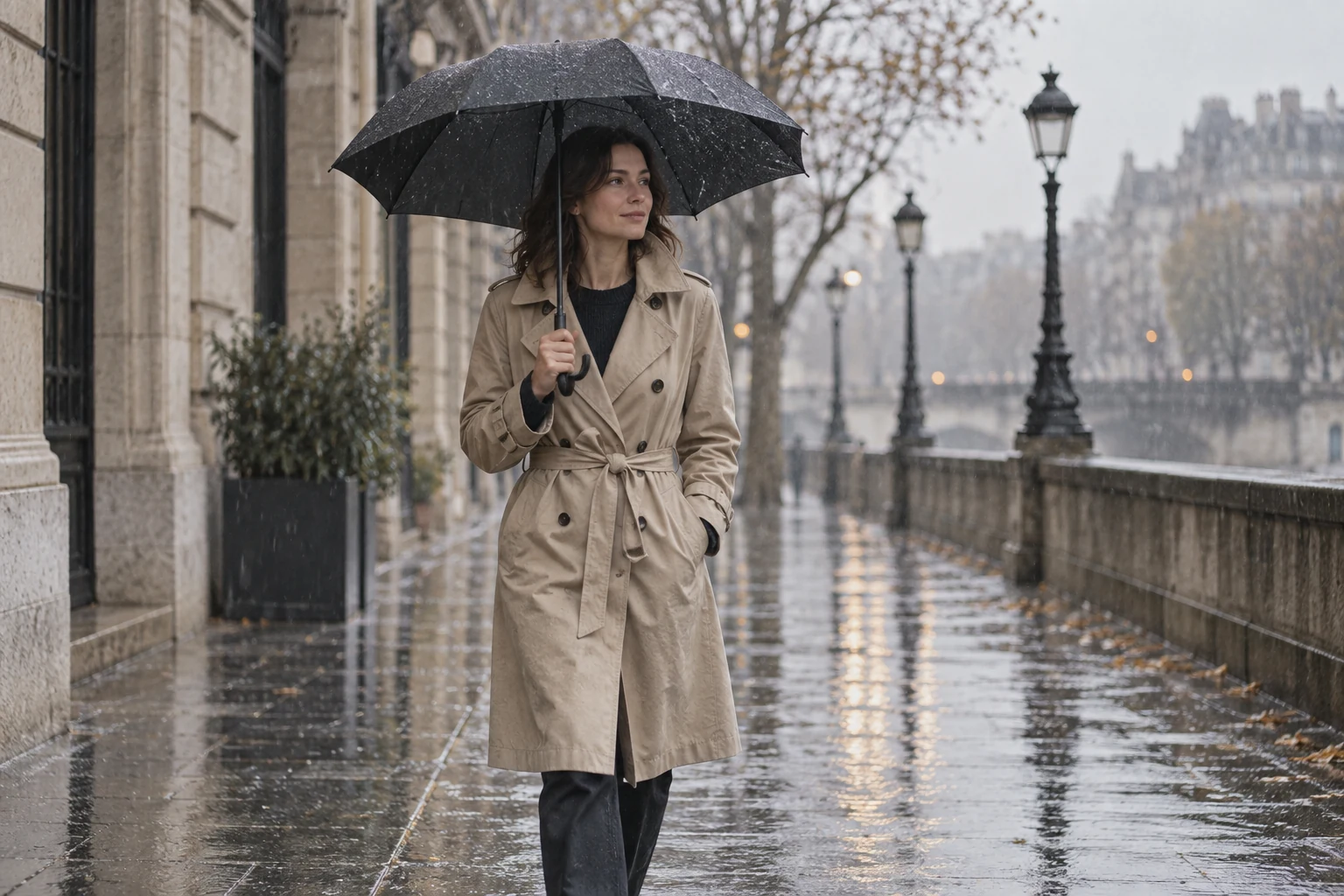
The labels mean different things. A water resistant jacket has a tightly woven face fabric, usually with a durable water repellent finish that makes drops bead and roll off. It handles showers and short walks well, and it breathes better, but in steady rain the water eventually works through. A waterproof jacket adds a membrane or coating behind the face fabric and seals the seams with tape or welding, because stitching leaves a line of tiny holes that water will find. For heavy rain, long walks or a bike commute, waterproof with sealed seams is what keeps you dry.
The repellent finish on both kinds wears off with use and washing, and when it does the outer fabric soaks through and the jacket feels clammy even if the membrane is intact. Drops that spread into dark patches instead of beading are the sign. Many makers sell wash in or spray on treatments to renew it; follow the care label. A hood matters more than any other detail, because rain on your hair and neck chills you for the rest of the day. A brim on the hood, cuffs that close and a length that covers your hips all add up.
For town, a classic raincoat, such as a cotton gabardine trench or a rubberized mac, looks at home over tailoring and handles ordinary city rain. A technical shell is lighter and more waterproof, and it packs into a bag for the ride home. An umbrella complements either one rather than replacing it: in wind it turns inside out, and it does nothing for your legs.
The best pants to wear in the rain
Your jacket ends at the hip, so rain runs off it straight onto your thighs, and every puddle splashes your ankles. The fabrics that cope best are the ones that dry fast: polyester and nylon travel or hiking pants, wool trousers, which stay warm when damp and shed light rain well, and slim or cropped cuts that stay clear of the ground. Cotton chinos and denim are the worst choices for a long walk, because cotton absorbs water and holds it, which is also why hiking groups warn against it in cold, wet weather.
Jeans in the rain are fine for a dash from the car to a door. On a longer walk they get heavy, darken at the thighs and hem, and stay wet for hours, and indigo can rub off onto light shoes or bags while wet. Leggings or other synthetic pants dry faster than jeans, which makes them the better choice for errands, though thin pairs feel cold once soaked. Length matters as much as fabric: a hem that brushes the ground wicks water up the leg all day, so on rainy days reach for ankle length trousers, cuffed jeans or pants you can tuck into boots.
Shorts are a reasonable answer in warm rain. Wet skin dries in minutes, while wet trousers stay wet. In summer, shorts or a skirt with a waterproof jacket and sandals or rubber shoes is often the most comfortable rainy day outfit you can wear. Below about 60°F (16°C), the same wet skin starts to cost you warmth, and long pants make more sense.
| Pants | In the rain | Best for |
|---|---|---|
| Polyester or nylon travel pants | Dry fast | Long walks and commutes |
| Wool trousers | Shed light rain, stay warm when damp | Work and cool days |
| Leggings | Dry faster than jeans, thin pairs feel cold | Errands |
| Jeans and cotton chinos | Absorb water and stay wet for hours | A dash from car to door |
| Shorts | Wet skin dries in minutes | Warm rain, above about 60°F (16°C) |
Whatever the fabric, a hem that brushes the ground wicks water up the leg all day.
Shoes that survive a rainy day
Water gets into shoes two ways: through the upper and over the top. Rubber boots, from ankle height to knee high, stop both and suit wet commutes and flooded streets. Leather boots with rubber soles and a treated finish handle ordinary rain well and look right in an office. Waterproof sneakers, built with a membrane like a rain jacket, are the easy casual choice. What to avoid: suede, which stains and stiffens, canvas and mesh, which soak through at once, and thin leather soles, which get slippery and wear quickly on wet pavement.
If leather shoes do get soaked, dry them slowly. Blot off the water, pull out the laces and insoles, stuff the shoes with crumpled newspaper, change it as it gets wet, and leave them at room temperature away from radiators and hair dryers; heat makes wet leather shrink, warp and crack. Once dry, a little leather conditioner restores what the water took out. For salt or water marks on suede, see our guide to cleaning suede shoes.
Rainy day outfits for work, summer and cool days
For a business casual rainy day at work, men can wear wool or wool blend trousers, an oxford shirt and a merino sweater under a trench or a navy rain mac, with leather boots or rubber soled derbies. Women can wear ankle length wool trousers or a midi skirt with opaque tights, a knit or blouse, a trench coat and leather ankle boots or loafers on rubber soles, with any delicate shoes in a bag. Both outfits rely on the coat for protection and on fabrics that look fine even if the hems catch a little rain. For more on the dress code itself, see our guides to business casual for men and business casual for women.
A hot rainy day, the kind of summer downpour that comes and goes, calls for less rather than more. A light, packable rain jacket or a large umbrella, shorts or a linen blend skirt, a synthetic or cotton blend top that dries quickly, and sandals, rubber slides or waterproof sneakers. Heavy raincoats are miserable in humid heat because you sweat inside them, so on a warm day a breathable water resistant shell or just an umbrella is often more comfortable.
A cool spring or autumn drizzle, around 50 to 60°F (10 to 16°C), is the classic trench coat day. Wear a sweater or light knit over a shirt, dark trousers or cropped jeans, and leather boots or waterproof sneakers. Rain and wind together make a mild day feel colder than the number suggests, and the CDC notes that hypothermia can occur even above 40°F (4°C) if you are chilled by rain, so a hood and a spare layer in your bag matter more than they seem to.
Staying dry without an umbrella
Caught without one, you have a few options. A hood, or even a cap with a brim, keeps rain off your face and neck, which are the parts that make you feel coldest. Walking under awnings and building overhangs cuts your exposure more than walking faster does. Carry your phone and papers inside your jacket rather than in an outer pocket, and if you know you will be caught out again, a packable rain jacket takes up less space in a bag than a compact umbrella.
When you get home, deal with wet clothes promptly. Hang them to dry with air around them rather than leaving them bunched in a bag or hamper, where mildew can start within a day or two in warm weather. Our guide on air drying clothes covers how to hang different pieces, and if a musty smell has already set in, see removing mold and mildew from clothes.
Common mistakes
Hems that drag
Long wide leg trousers and full length jeans wick puddle water up to the knee. On wet days, choose ankle length pants, cuff them or tuck them into boots.
A raincoat that no longer beads
If rain soaks into the outer fabric instead of rolling off, the repellent finish has worn away. Wash and retreat the jacket following the label rather than assuming it has failed for good.
Drying shoes on the radiator
Direct heat shrinks and cracks wet leather and can warp rubber soles. Stuff them with paper and let them dry at room temperature, even if it takes a day or two.
Questions people ask
Is it better to wear jeans or leggings in the rain?
Synthetic leggings usually dry much faster than jeans, so they are more comfortable once you are wet. Jeans soak up water, get heavy and can stay damp for hours. For a cool day, though, thin leggings feel cold when soaked, so quick drying travel pants are a good middle ground.
Is it better to wear pants or shorts in the rain?
In warm weather, shorts are often the better choice because skin dries quickly and wet shorts are not clinging to your legs all day. In cool or cold rain, wear long pants in a fabric that sheds water or dries fast, since wet skin loses heat quickly in the wind.
What is the best kind of raincoat for heavy rain?
For heavy, sustained rain, choose a jacket described as waterproof rather than water resistant, with fully sealed seams, a hood with a brim and a length that covers your hips. A breathable membrane keeps you from getting damp from sweat on the inside.
What shoes should I wear in the rain for work?
Leather boots or shoes with rubber soles and a good polish handle most office commutes, and you can carry finer shoes in a bag. In real downpours, rubber rain boots or waterproof sneakers on the way in, with office shoes kept under your desk, save both your feet and your good pair.
Sources and further reading
References used for this guide. Each opens the original page in a new tab.
- Sierra: Waterproof vs water resistant jackets, seams and ratings explained Opens in a new tab
- Centers for Disease Control and Prevention: Preventing cold related illness Opens in a new tab
- Samuel Hubbard: What to do when leather shoes and boots get wet Opens in a new tab
- Washington Trails Association: What to wear on a winter hike (why to avoid cotton) Opens in a new tab
Keep reading
Weather
What to wear in the snow, from city streets to slopes
What to wear in the snow for a city commute, a day of sledding or a first ski trip: warm layers that stay dry, the right boots, and what to do without snow pants.
Weather
What to wear in 50 degree weather
50°F can feel like spring in the sun and like late fall in the wind. How to match the jacket to the day, what to wear under it, and outfits for men and women.
Weather
What to wear in 60 degree weather
60°F is warm in the sun and cool in the shade. How to dress for it with one removable layer, which shoes work, and outfits for men and women.
Shoes and jewelry
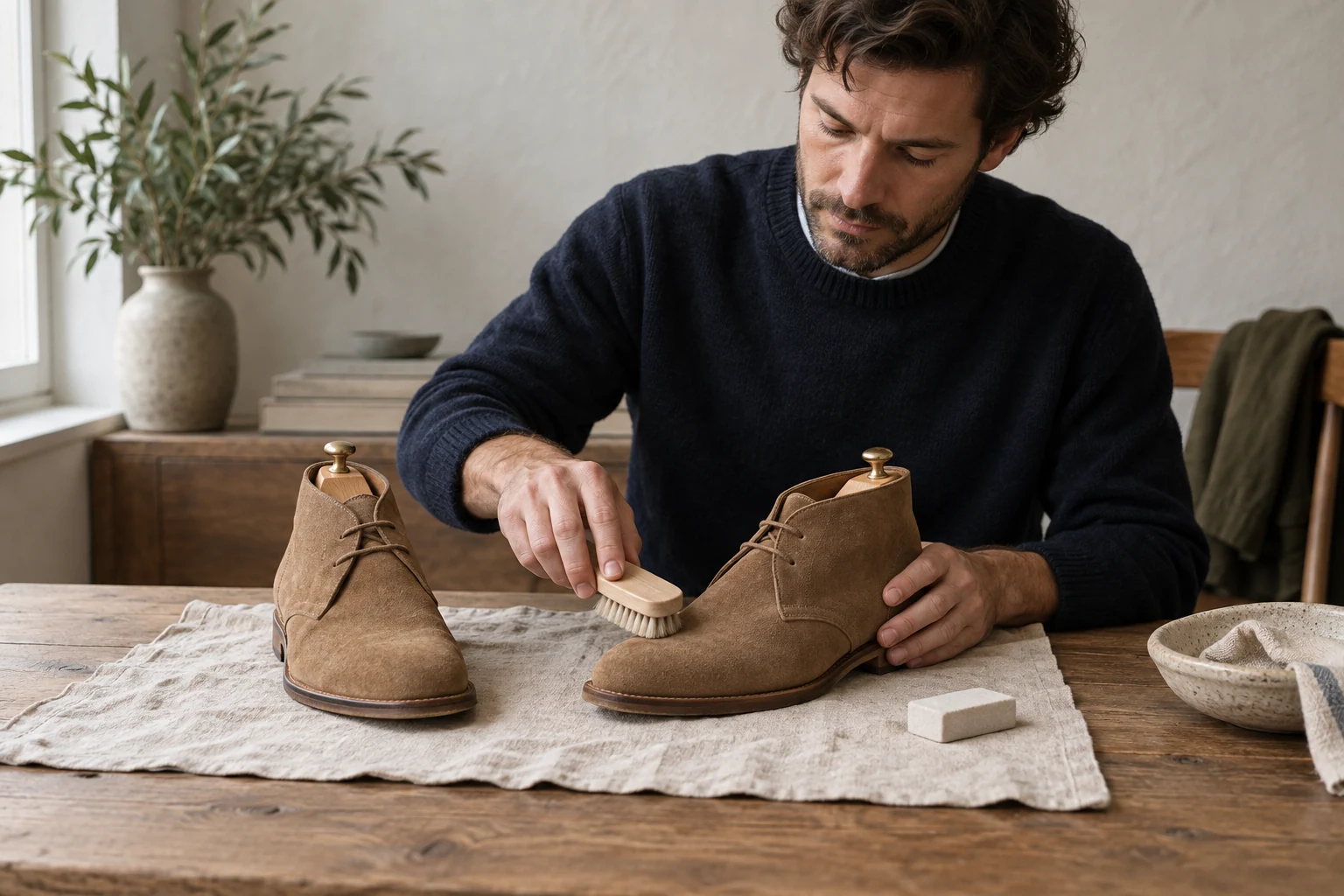
How to clean suede shoes without flattening the nap
Clean suede shoes at home with a brush, a suede eraser and a little patience, and learn how to handle water stains, oil marks and salt lines without soaking them.
Dress codes
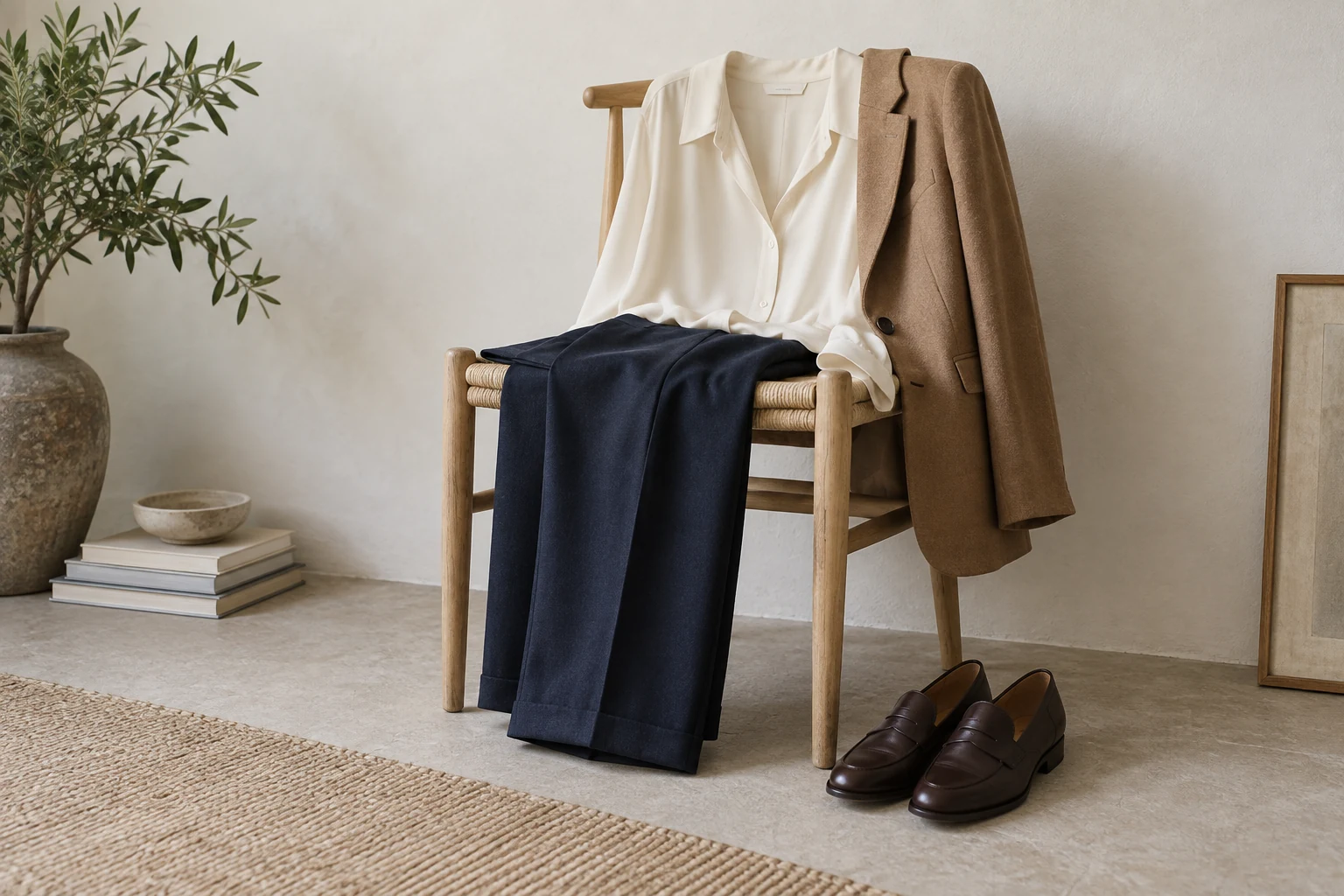
Business casual for women: what to wear to work
What business casual means for women at work: trousers, skirts, dresses, knitwear and shoes, with outfit formulas, what to avoid and how to read your office.