Minimalist style: fewer pieces, better outfits
In this guide
A full closet and nothing to wear is the most common reason people look up minimalist style. The rail is packed, yet every morning you reach for the same five things, and the rest either does not fit, does not match or does not feel like you. Minimalism in clothing is a way out of that: fewer pieces, chosen so that almost any two of them make an outfit.
It is also a look in its own right, with clean lines, quiet colors and a lot of attention to fabric and fit. This guide covers what minimalist style is and is not, where it came from, the core pieces for men and women, how to keep simple outfits from looking bland, and how to start from the clothes you already own rather than buying a new wardrobe.
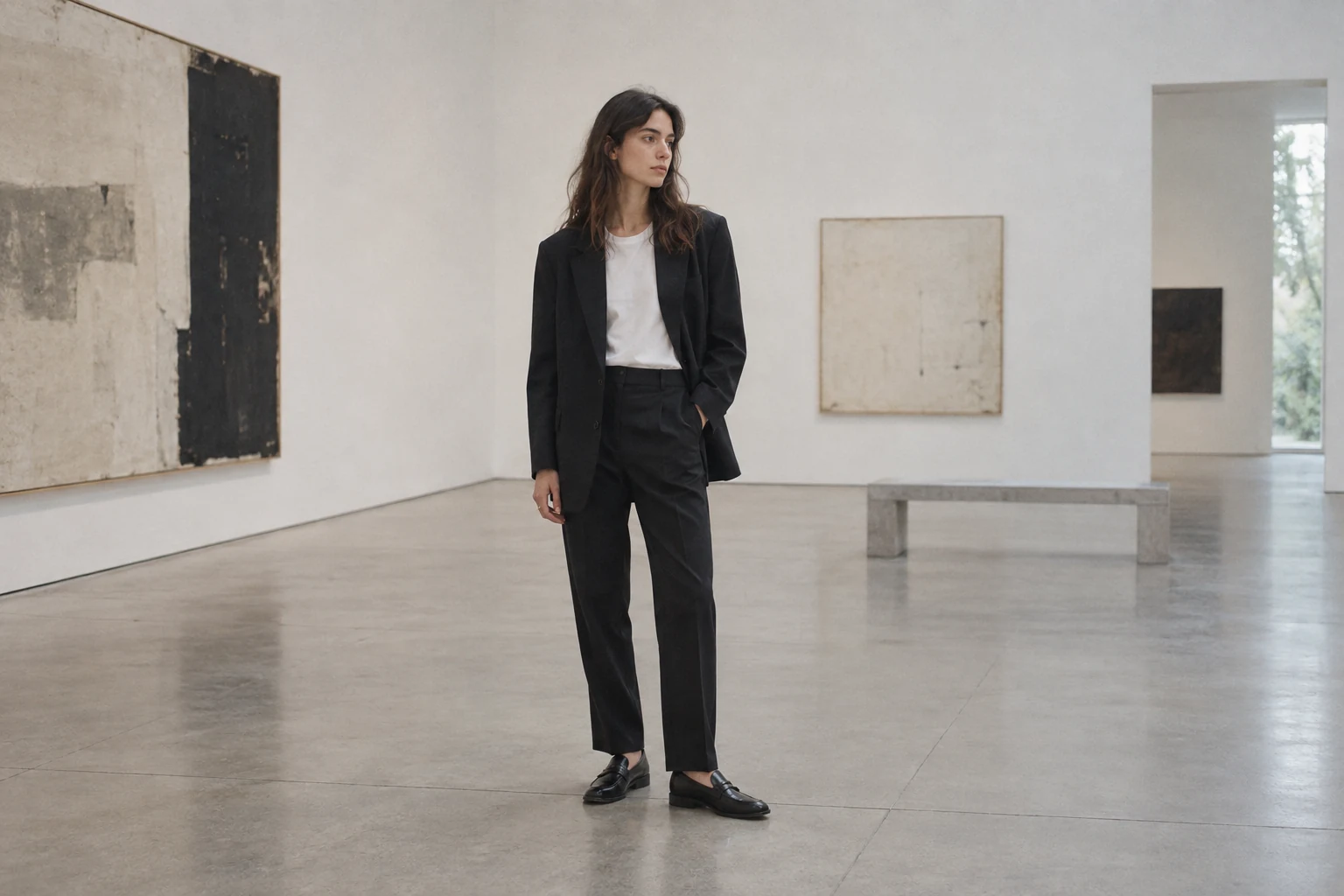
What minimalist style is, and what it is not
Minimalist style clothing has a few recognizable habits. Shapes are clean, with little decoration: no busy prints, few visible logos, restrained hardware. Colors come from a small, consistent palette, often black, white, gray, navy, camel and cream. Because the design is so plain, fabric and fit carry the outfit. A well cut wool trouser or a heavy cotton shirt that sits right on the shoulders does the work that a print or a ruffle does in a busier wardrobe.
It is not a rule that you must own thirty items, wear only black or give up color. Plenty of minimalists wear olive, rust or a clear blue, and some have large wardrobes of very simple clothes. The idea is reduction with purpose: every piece earns its place by working with the others and being worn. The opposite approach, a maximalist outfit of clashing prints, bold colors and layered jewelry, is a valid style too; the difference is only where the interest comes from.
Where minimalist fashion came from
The word minimalist appeared in fashion magazines in the early 1980s, but the look most people picture took hold in the early 1990s. The Museum at FIT describes the pared down silhouettes and neutral palette of designers such as Calvin Klein and Jil Sander as a reaction to the excess of the 1980s, helped along by a global recession that made showing off wealth feel tactless. Our guide to 90s fashion covers that decade's slip dresses and clean tailoring in more detail.
The practical side has an older root. In the 1970s, London boutique owner Susie Faux described a capsule wardrobe: a small set of essential pieces that would not go out of fashion, topped up each season. In 1985 Donna Karan launched Seven Easy Pieces, interchangeable workwear built on bodysuits and tights that could be mixed endlessly. Both ideas sit behind the modern capsule wardrobe and behind most minimalist closets today.
The core pieces, colors and fabrics
A minimalist wardrobe is built from quiet workhorses: plain T shirts and knit tops, crisp button down shirts, fine knit sweaters, straight or wide trousers, dark straight jeans, one tailored jacket, one long coat, and simple shoes such as leather sneakers, loafers or ankle boots. Choose a base of two or three neutrals and one or two accent colors that suit you, so that every top goes with every bottom. Our guide to colors that go together helps you pick a palette that is simple without being flat.
Fabric is where the budget should go, because plain clothes show everything. Look for dense cotton that does not twist after washing, wool and merino that recover their shape, linen for summer, and silk or viscose for fluid tops. Hold fabric up to the light, check that seams lie flat and stripes or checks line up, and try the piece on while moving. Good fit matters more than any label: a shirt that fits the shoulders and a trouser hemmed to your shoes will look expensive at almost any price.
Minimalist clothing for women: outfits that work
A dependable minimalist outfit for women is a fine knit crewneck in cream or gray, straight trousers in black or camel, loafers and a long wool coat. Swap the trousers for dark straight jeans on weekends and the loafers for white leather sneakers, and it still works. For warmer days, a white T shirt tucked into a wide linen trouser with flat sandals and a simple tote is hard to beat, and it relies on proportion and fabric rather than decoration.
Minimalist style dresses are usually column, slip or shirt shapes in one solid color, worn with minimal jewelry and plain shoes. A black knit midi dress with ankle boots and a trench, or a navy shirt dress with a belt and loafers, covers work and dinner. If you prefer skirts, a bias cut midi skirt with a fitted knit and a small gold earring is a minimal outfit with plenty of femininity. The rule is to keep one element interesting, such as the cut, the fabric or the jewelry, and the rest calm.
Minimalist style for men
Minimalist style for men usually starts with a uniform. A heavyweight white or gray T shirt, dark straight jeans or chinos, white leather sneakers and a navy or charcoal overshirt make a minimalist outfit men can wear most days of the year. Add a fine merino crewneck and a single breasted overcoat for cooler weather. Keep the palette to three or four colors that all match, so you never have to think about combinations.
For work, a plain white or light blue shirt with gray wool trousers, a navy unstructured blazer and brown or black loafers does the job without a tie. Leave off busy watches, patterned socks and visible logos, and let the fit do the talking: sleeves that end at the wrist, trousers with little or no break, and a jacket that closes without pulling. Our guide to how a suit should fit applies to separates as much as to suits.
| Moment | Women | Men |
|---|---|---|
| Every day | Fine knit crewneck, straight trousers, loafers | Heavyweight white or gray tee, dark straight jeans, white leather sneakers, overshirt |
| Work | Black knit midi dress with ankle boots and a trench, or a belted shirt dress | White or light blue shirt, gray wool trousers, navy unstructured blazer, loafers |
| Cold weather | Long wool coat | Fine merino crewneck and a single breasted overcoat |
How to keep minimalist outfits from looking plain
The risk of minimalism is looking unfinished, as if you forgot to get dressed. The answer is texture and proportion. Put a chunky wool knit with a smooth silk skirt, a crisp poplin shirt with soft cashmere, or ribbed cotton with flat leather. Change proportion from outfit to outfit: wide trousers with a close fitted top one day, a slim trouser with an oversized sweater the next. Those contrasts give the eye something to follow even when every color is quiet.
Condition matters even more in a small wardrobe, because you wear each piece often. Pilled sweaters, faded blacks and creased shirts undo the whole effect. Keep a lint shaver and a steamer nearby; our guides to removing pilling and steaming clothes cover both. Grooming and one considered detail, such as a good watch, a bold lip or a well chosen bag, finish the look.
How to dress like a minimalist, starting with your own closet
Start by noticing what you actually wear. For two weeks, hang everything you wear back at one end of the rail. What stays at the other end is the clutter. Try those pieces on and ask whether they fit, whether they go with at least three other things, and whether you would buy them again. Our guide to decluttering your clothes walks through what to keep, sell and donate.
Then look at what is left and find the gaps, which are usually few: perhaps one good pair of trousers, a coat in your base color, or plain tops that make your statement pieces wearable. Buy those slowly and in the best quality you can. If you want structure, try a challenge such as Project 333 for three months, then keep the habits that helped and drop the ones that did not.
Common mistakes
Throwing everything out at once
A dramatic purge often leads to rebuying. Box doubtful pieces for a season instead, and only let them go if you never missed them.
Buying a minimalist wardrobe from scratch
Replacing everything with new neutral basics is the opposite of minimalism. Keep what works, then buy only to fill real gaps.
Ignoring fit
Simple clothes that do not fit look sloppy rather than refined. Budget for hemming and small alterations; they change more than a new purchase would.
Questions people ask
What is the 3 3 3 rule for clothes?
The phrase is used loosely online, but it usually points to Project 333, a challenge created by Courtney Carver in 2010. You choose 33 items, including clothing, accessories, jewelry, outerwear and shoes, and wear only those for three months. Underwear, sleepwear, lounge and workout clothes, and jewelry you never take off do not count.
Is minimalism still popular?
Yes, though it changes shape. The quiet, logo free look regularly returns in fashion cycles, and the practical side, owning fewer, better pieces, has become a lasting habit for many people concerned about cost and waste. It works whatever the trend because it depends on fit and fabric rather than novelty.
Does minimalist style mean wearing only black and white?
No. Neutrals are common because they combine easily, but minimalism is about a small, coherent palette, not a specific color. A wardrobe of navy, olive, cream and rust is just as minimalist if every piece works with the others.
How many clothes does a minimalist need?
There is no correct number. It depends on your climate, laundry routine, work and social life. A useful test is whether you wear nearly everything you own in a season; if you do, your wardrobe is the right size for you.
Sources and further reading
References used for this guide. Each opens the original page in a new tab.
Keep reading
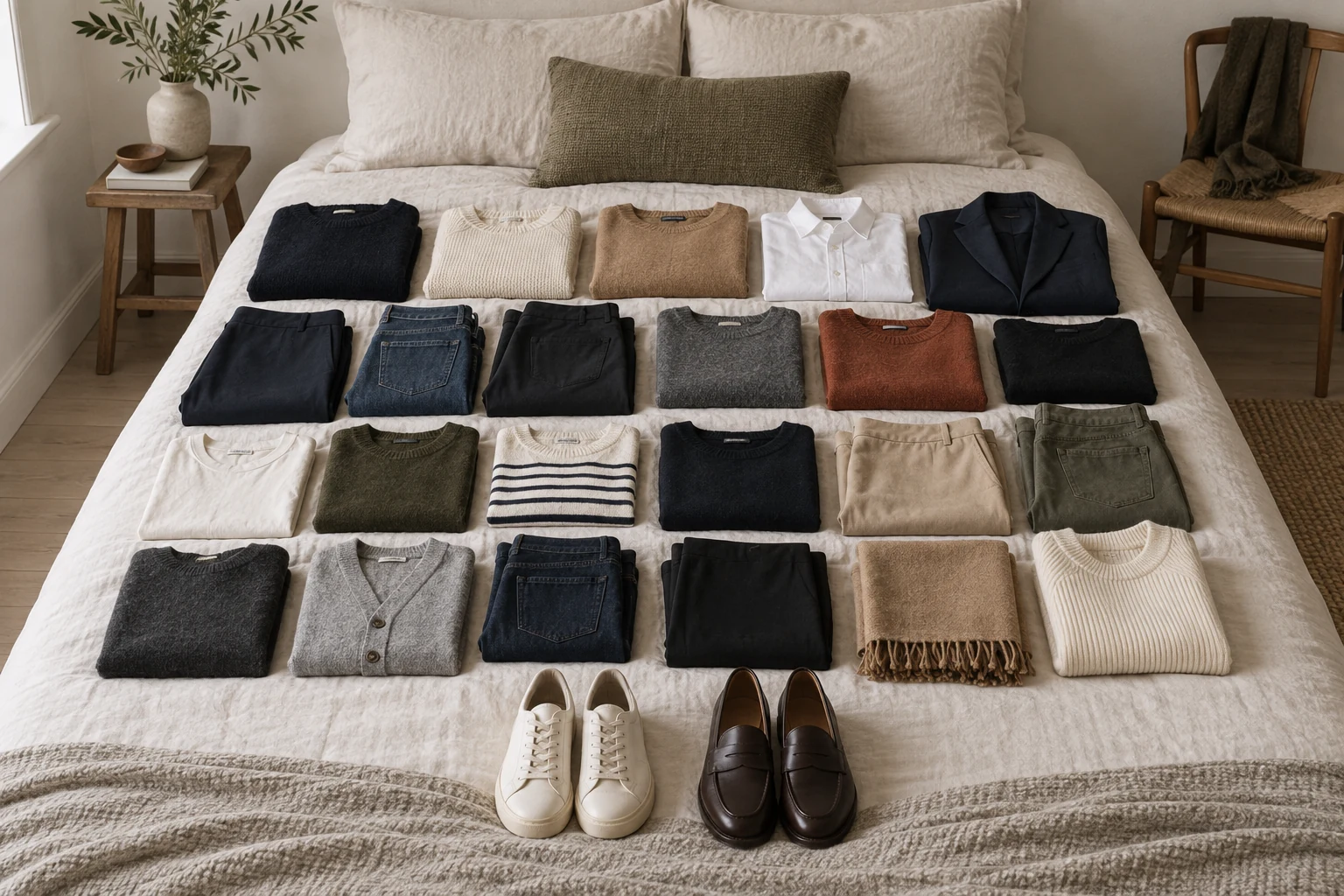
Closet and packing
How to build a capsule wardrobe from what you own
Build a capsule wardrobe from your real week and the clothes you already reach for, with examples for women and men and a simple way to test it.
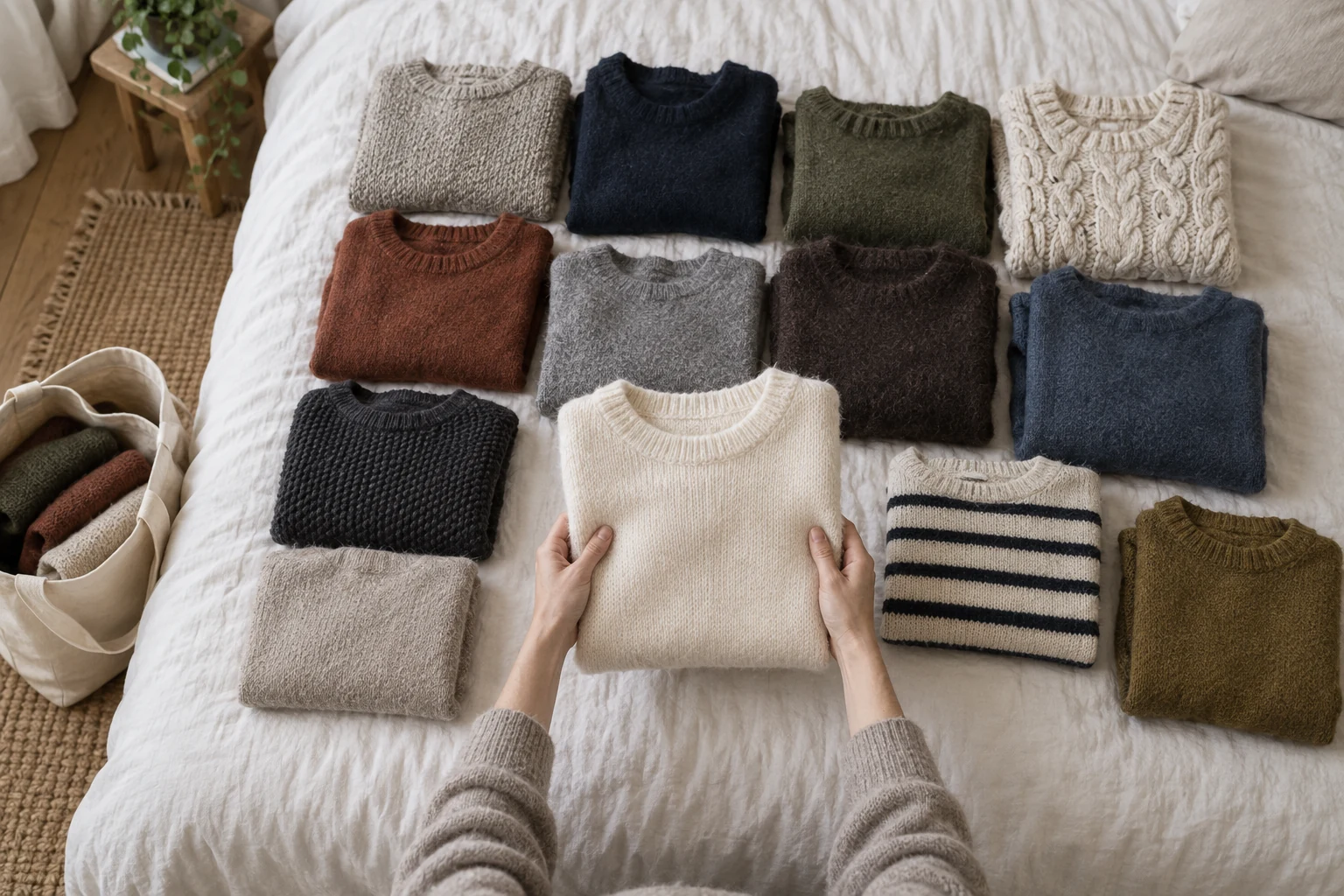
Closet and packing
How to declutter your clothes and decide what to keep
How to declutter clothes one category at a time, with honest questions for deciding what to keep, what to repair, and where the rest should go.
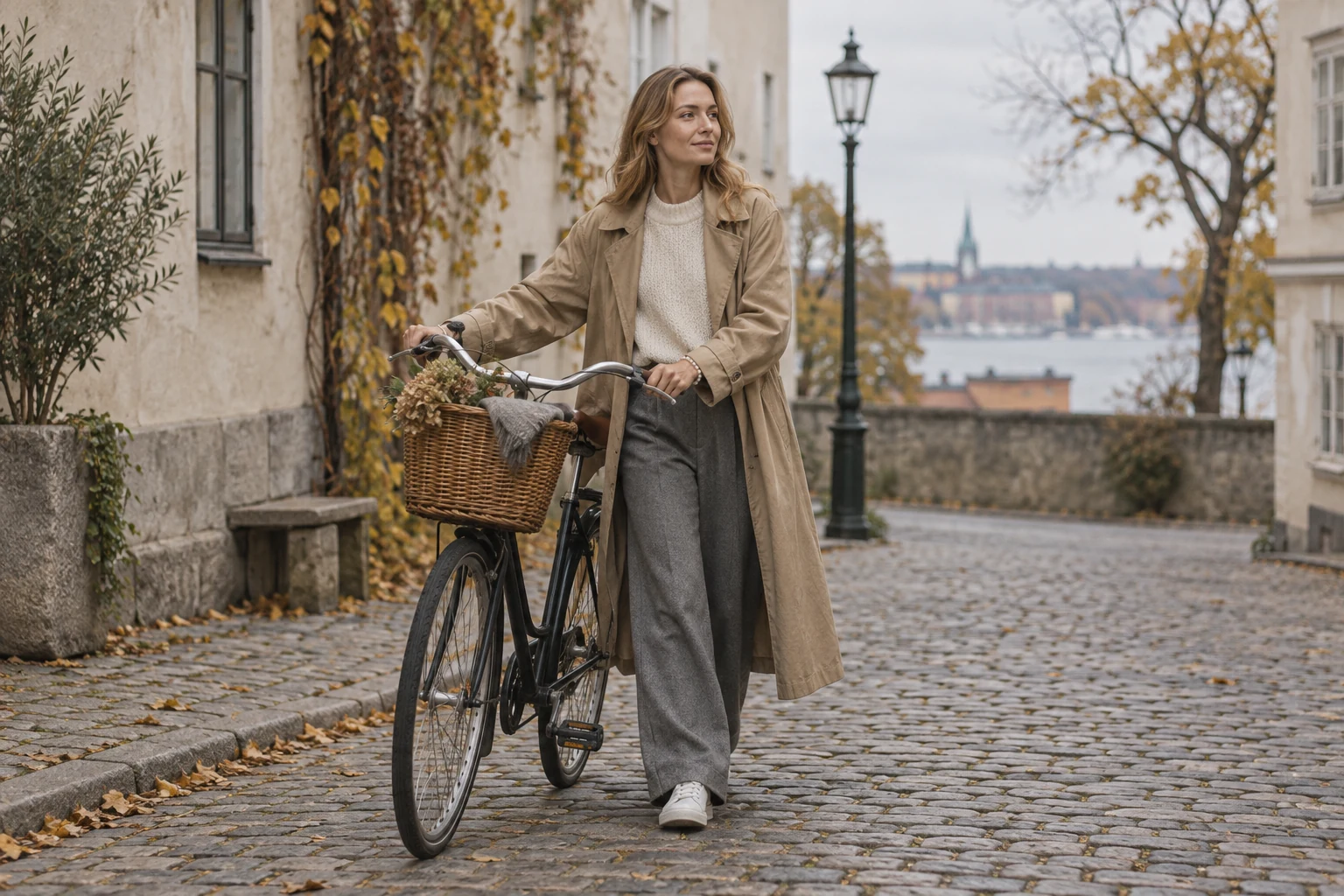
Styles
Scandinavian style: how to dress the Nordic way
What Scandinavian style clothing looks like, why it works, the key pieces and palette, and Scandi outfits for men and women built for real weather and bike rides.
Styles
French style: the everyday pieces behind it
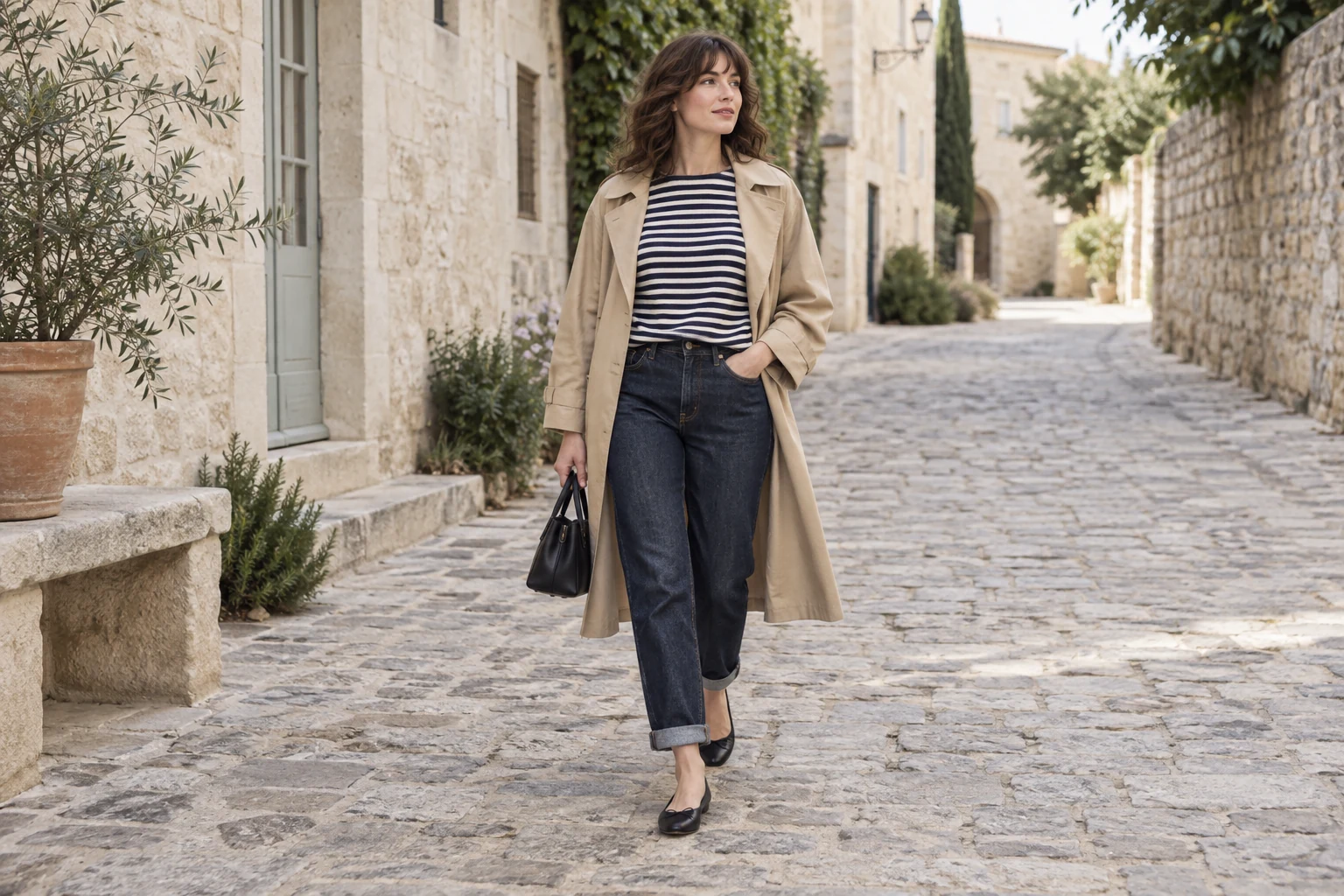
What French style really means, the everyday pieces behind it from the Breton shirt to ballet flats, outfits to copy at any age, and how to avoid the beret cliché.
Everyday style
What colors go together: color combinations for outfits
Practical color combinations for outfits: build on neutrals, try tonal dressing, add one accent, and test contrast against your own skin and hair in daylight.