How to wear a beanie without it looking odd
In this guide
It is cold enough for a hat, you pull on a beanie, and the mirror shows either a neat, warm person or someone who seems to be wearing a sock. The difference is rarely your face. It is usually the style of the beanie, how deep it sits, how it meets your hair and whether its color belongs to the rest of the outfit. How to wear a beanie well comes from getting those four things right.
This guide covers the main beanie styles, where a beanie should sit, how to wear one with long, short, curly or no hair, outfit ideas for men and women, and how to wash it so it keeps its shape.

Choose the right style of beanie
The cuffed beanie, a ribbed knit tube with a folded band at the bottom, is the classic American watch cap and the most versatile. The double layer of the cuff keeps the ears and forehead warm, and folding it higher or lower changes how deep it sits. The fisherman beanie is a short version of the same hat, with a shallow crown that sits on top of the head and stops above or at the tops of the ears. It looks neat and a little nautical, but it leaves the ears exposed, so it is a hat for cool days more than deep winter.
The slouchy beanie has extra length at the back that gathers loosely, which suits long hair and relaxed outfits. A pom pom or bobble beanie is the playful winter version, best for cold weekends and outdoor days rather than city tailoring. There are also fine gauge beanies, knitted thinly from merino or cashmere, which look smarter and fit under a hood or bike helmet. Knit caps have been workwear for sailors, fishers and hunters for centuries, and in Canada the same hat is called a toque or tuque, so there is no single correct version; choose the one that suits your hair and weather.
| Style | How it sits | Best for |
|---|---|---|
| Cuffed | Ribbed tube with a folded band; depth adjusts | Almost everything, and real cold |
| Fisherman | Shallow crown on top of the head, ears exposed | Cool days and a neat look |
| Slouchy | Extra length gathered loosely at the back | Long hair and relaxed outfits |
| Pom pom | Cuffed shape with a bobble on top | Cold weekends, ski trips, outdoor days |
| Fine gauge | Thin merino or cashmere knit | Smarter outfits, under a hood or helmet |
How a beanie should fit and where it should sit
A beanie should be snug enough to stay put when you turn your head, but not so tight that it leaves a red line on your forehead or pushes your ears flat. Most are one size and rely on stretch; if yours always rides up or squeezes, measuring your hat size helps you choose brands that offer sizes. Look straight into a mirror as you put it on and keep the bottom edge level from side to side, rather than tilted back like a halo or low at one side.
For most people the most flattering depth is with the edge somewhere between the eyebrows and the hairline, a little above the middle of the forehead. Much lower and it hides your eyes; much higher and it perches. Fold the cuff once for a deep, warm fit and twice for a shorter, neater one. A little headroom at the crown, rather than a hat pulled tight over the top of the skull, is what keeps a beanie from looking like a swim cap.
Should a beanie cover your ears?
In real cold, yes. Ears have little insulation and are among the first parts of the body to become uncomfortable, and on windy days below about 30°F (minus 1°C) a beanie pulled down over them is simply sensible. Pull the cuff down to cover the ears fully and tuck longer hair behind them. Our guide to what to wear in 30 degree weather shows how a hat fits into the rest of a cold weather outfit.
On mild fall days, or indoors on the way from the train, a beanie worn higher with the ears uncovered looks neater and stops you overheating. That is where the fisherman style and a double folded cuff come in. There is no rule that it must be one or the other; adjust the depth through the day, the same way you would open a coat.
How to wear a beanie with long, short, curly or no hair
With long hair, let the hair fall naturally below the beanie on the sides and back, or pull it forward over one shoulder. A slouchy or cuffed beanie set slightly back from the hairline keeps the front of your hair visible. A low ponytail or loose braid under the beanie works; a high ponytail or bun does not, because it pushes the hat up. With a fringe or bangs, either let them sit below the edge or sweep them to the side.
With short hair, choose a snug cuffed or fisherman beanie and let a little hair show at the sides or front so it does not read as bare scalp. For people with shaved heads or thinning hair who dislike the bald look, a chunkier rib, a deeper cuff and a color that is not skin toned give the hat visible structure. For curly, coily and textured hair, a roomier beanie avoids crushing the curl pattern, and a satin lined beanie reduces friction and frizz; our guide to satin explains why the smooth weave helps. Put the hat on after styling products have dried to avoid flattening your hair.
Beanie outfits for men and women
For men, a navy, charcoal, olive or oatmeal cuffed beanie goes with almost any casual winter outfit: a parka or a field jacket with jeans and boots, a peacoat over a crew neck sweater, or a fleece and hiking trousers. A fine gauge merino beanie can even sit with a wool overcoat over casual trousers. Avoid pairing a slouchy, bright beanie with a suit; with tailoring, a plain, snug knit in a dark color works best.
For women, a cuffed beanie in cream or camel with a long wool coat and a big scarf is the easiest look, and a slouchy knit suits a puffer, jeans and sneakers. A chunky ribbed beanie in a deep color adds warmth to a neutral outfit, and a pom pom beanie is at home on a ski trip or a snowy weekend. In both cases, the beanie looks best when its color repeats something else you are wearing, the scarf, the gloves or the coat, rather than standing alone. As for etiquette, a beanie is casual, and it is polite to take it off indoors at a meal, a place of worship or an interview, even where caps are otherwise tolerated.
Materials and how to wash a beanie
Wool, and especially merino, is warm, breathes, handles damp weather well and resists odor. Cashmere is softer and lighter but less hard wearing. Acrylic is cheap, colorful and easy to wash, but it breathes less and pills sooner. Cotton knits are comfortable in cool, not cold, weather. If wool itches, look for merino or a beanie with a soft fleece or satin band inside.
Wash a wool beanie by hand in lukewarm water, about 86°F (30°C) or cooler if the label says so, with a mild wool detergent, or on a wool cycle if the label allows, then press out water in a towel and dry it flat, away from radiators and direct sun, as Woolmark advises for all knits. Hanging a wet beanie stretches it, and hot water or a dryer can shrink and felt it. For other hats, see our guide to cleaning a hat.
Common mistakes
Wearing it perched on the crown
A beanie balanced on the back of the head looks like it might fall off and does nothing for warmth. Bring the edge down to mid forehead and keep it level.
Pulling it down over the eyebrows
Too deep, and it hides your face and flattens your hair. Fold the cuff once more and leave a band of forehead showing.
A random color
A beanie that matches nothing else draws attention for the wrong reason. Repeat a color from your coat, scarf or gloves.
Questions people ask
Why do beanies not look good on me?
Usually the style or depth is wrong rather than your head. Try a different shape (fisherman instead of slouchy, or the other way round), wear it level at mid forehead, and let some hair show. A color that belongs to the rest of the outfit also makes a surprising difference.
Are beanies still in style?
Yes. Simple ribbed and cuffed beanies in neutral colors have been a steady part of casual winter dressing for decades, and fisherman beanies and fine merino knits remain popular. Plain, well fitting versions do not date quickly.
Can you wear a beanie indoors?
In casual places such as a café, a shop or a train, many people keep them on. Take it off at a meal in someone's home, in a place of worship, at an interview or at a formal event. Hat customs vary, and in some faiths head coverings are kept on by design.
What is the difference between a beanie and a toque?
Nothing, in practice. Toque or tuque is the Canadian name for the same knitted cap that most Americans call a beanie or watch cap, and British English often calls it a woolly hat or bobble hat.
Sources and further reading
References used for this guide. Each opens the original page in a new tab.
Keep reading
Everyday style
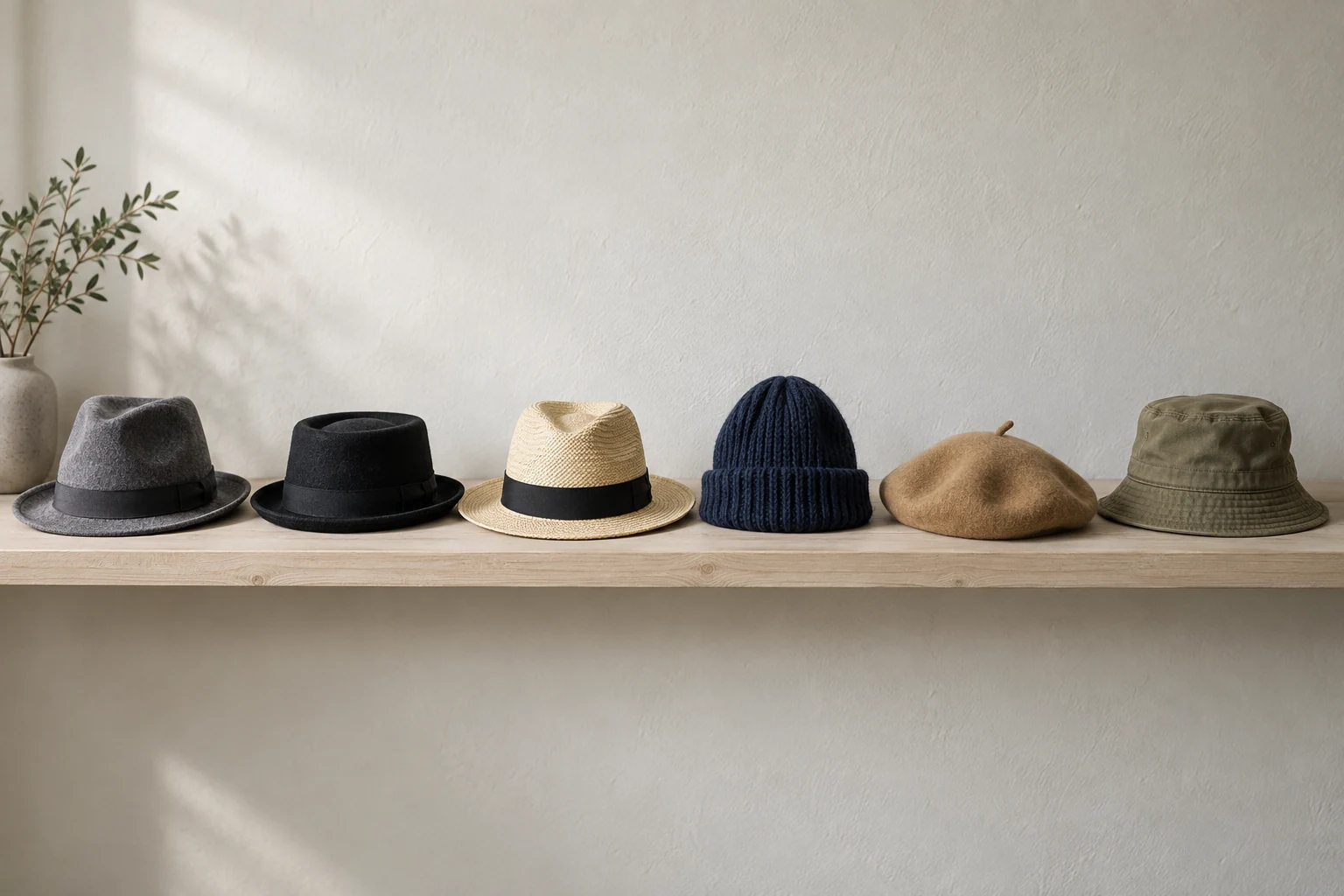
Types of hats and how to wear them
The names of hat types explained, from fedora, porkpie and derby to toque, beret, bucket hat and sun hat, with how to tell them apart and how to wear each one.
Sizing
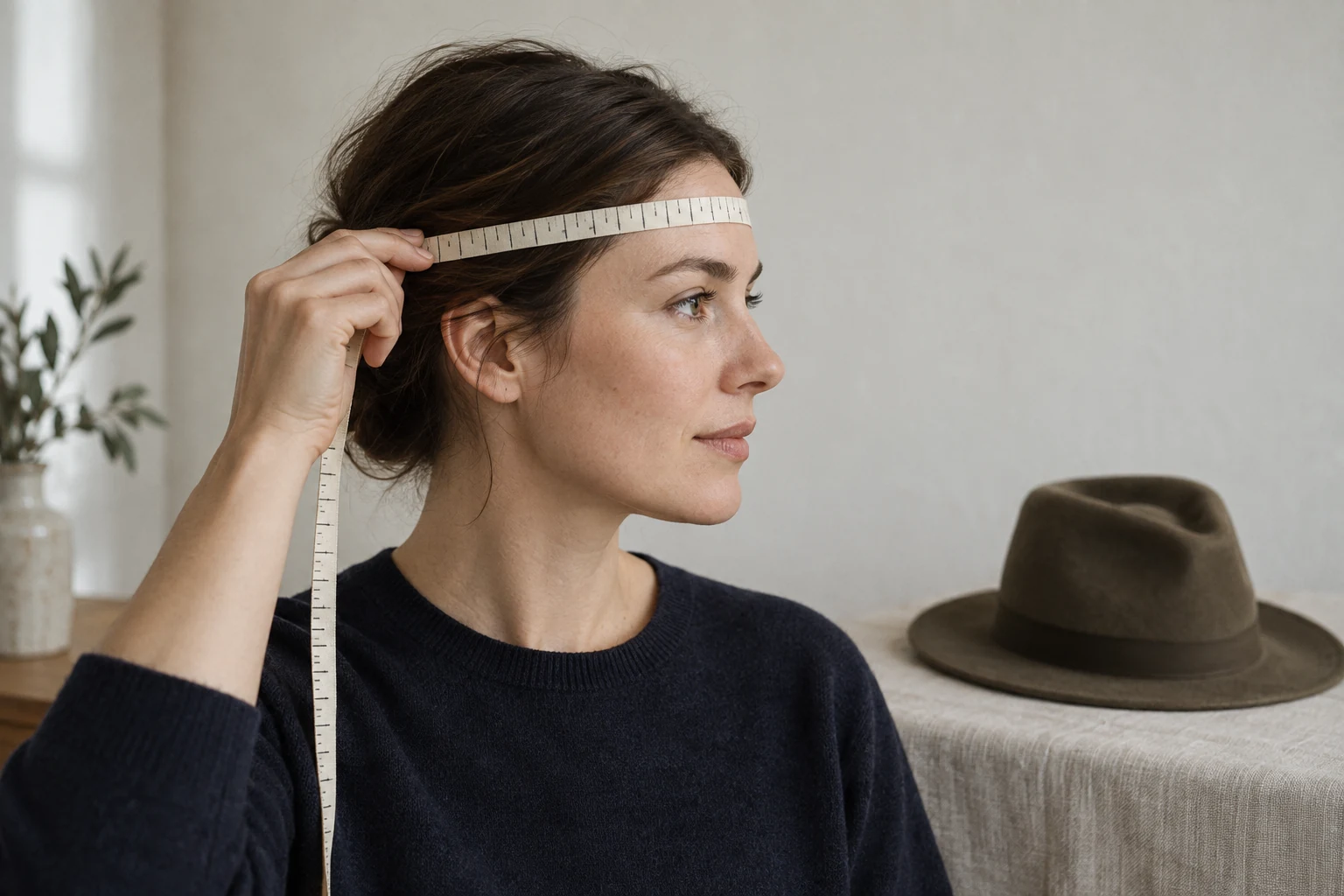
Hat size chart: how to measure your head for any hat
Measure your head for a hat at home, read a hat size chart in inches and centimeters, and choose sizes for fitted caps, snapbacks, cowboy hats and knitted hats.

Weather
What to wear in 30 degree weather
Below freezing, the details decide your comfort: insulation, a hat and gloves, and boots that grip ice. Layers and outfits for 30°F, from commute to run.
Shoes and jewelry
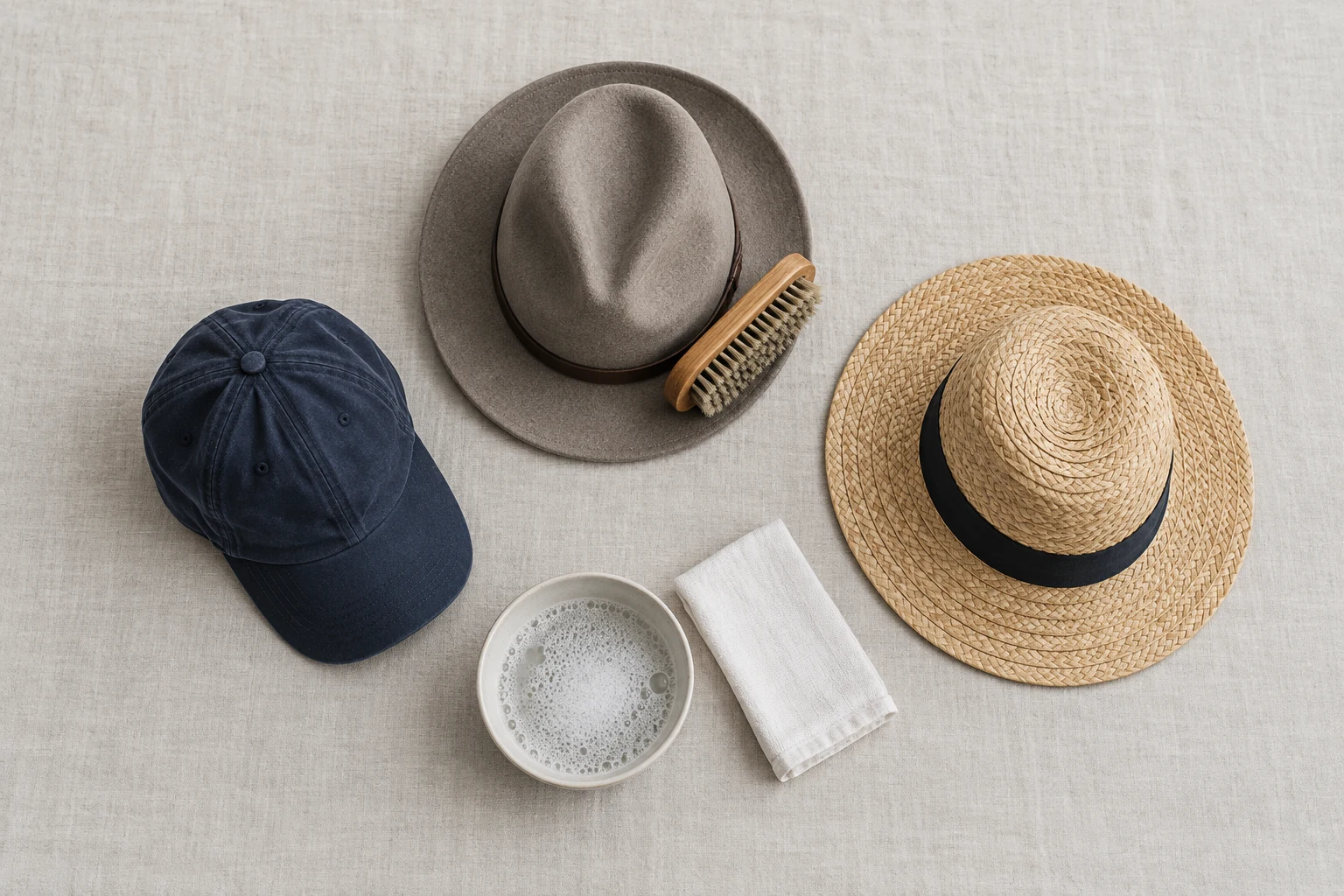
How to clean a hat of any kind
How to clean a hat without ruining its shape: caps, felt fedoras, straw hats and beanies, plus sweat stains, brims, drying and what never to put in a machine.
Fabrics
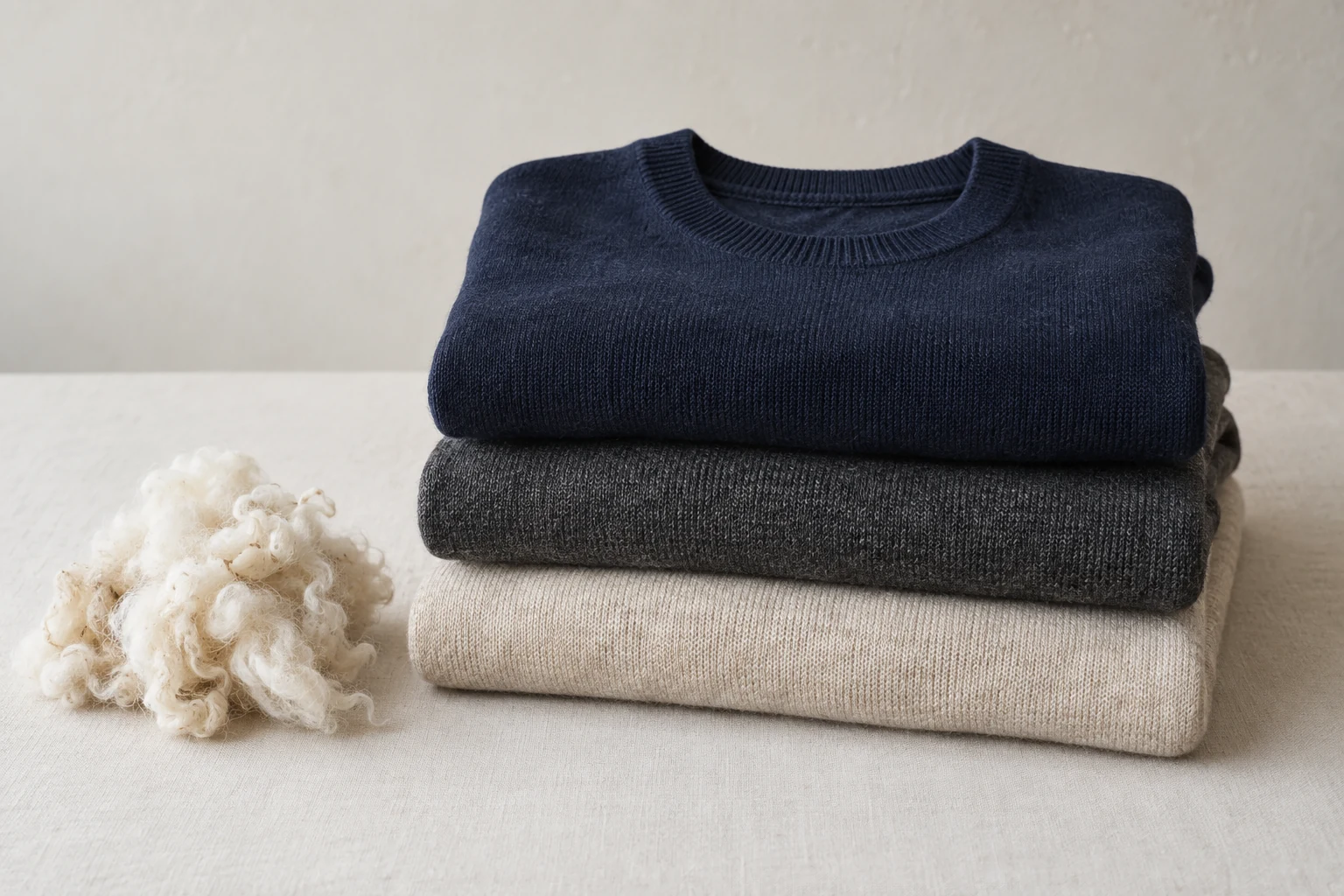
Merino wool: what it is and why it works
What merino wool is, why it feels softer than ordinary wool, where it beats cotton and synthetics, its real drawbacks, and how to wear and wash merino clothing.