Japanese street style: the looks, pieces and outfits
In this guide
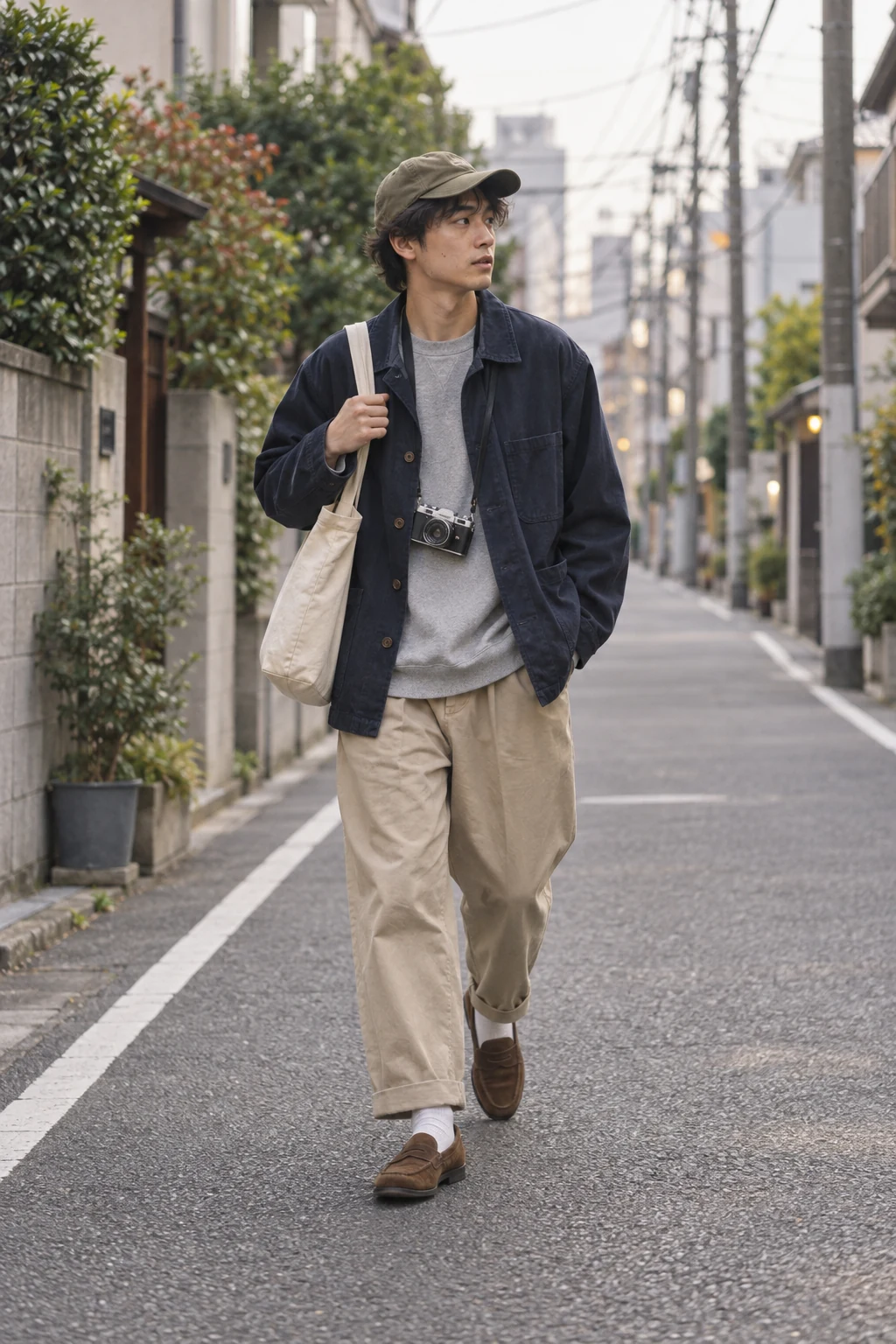
You have seen the photos: a young man in Shibuya in wide gray trousers, an open chore jacket and a cap, a tote over one shoulder; a woman in Harajuku in a long pleated skirt, a boxy cardigan and chunky loafers with white socks. Nothing is expensive looking, yet every outfit looks thought through. Japanese street style has that effect, and it is why so many people save these photos and then wonder how to get the same feeling from their own closet.
This guide explains what Japanese street style actually is, where its main looks come from, the pieces and proportions that make it work, and complete outfits for men and women. It also covers how to wear it respectfully and without looking like a costume, starting from clothes you may already own.
What Japanese street style is and where it came from
Japanese street style is not one look. It is the name for the fashion young people build for themselves on the streets of Tokyo, Osaka and other cities, often mixing secondhand finds, local labels and very ordinary basics. Much of it grew from a long love affair with American clothing. In 1965 four Japanese style enthusiasts published Take Ivy, a photo book of students on Ivy League campuses, and it became a kind of bible for a generation of young Japanese men. The writer W. David Marx later traced this story in his book Ametora, which describes how Japanese makers and shops studied, adapted and eventually perfected American casual clothes.
Magazines spread the look. Popeye, launched in Tokyo in 1976 by Magazine House, called itself the magazine for city boys and introduced readers to American youth culture; a 2012 redesign made it a reference again for a new generation. At the same time, Harajuku became the center of experimental dressing. From 1977 local roads were closed to cars on Sundays and young people gathered to dance and show off their outfits, until the pedestrian zone ended in 1998. The photographer Shoichi Aoki documented those kids in FRUiTS magazine from 1997 until he closed it in 2017. Today the scene lives on in the backstreets, in secondhand shops and on Instagram, where Tokyo street snaps travel around the world in hours.
The main Tokyo looks, from city boy to Harajuku
The look most people outside Japan mean when they search for Japanese street style is city boy dressing: loose, layered and relaxed, with American casual roots. Think wide chinos or painter pants, a big oxford shirt or a sweatshirt, a workwear or fleece jacket, a cap, white socks and sneakers or loafers, and a canvas tote. Close to it sits amekaji, short for American casual, which leans harder into raw denim, flannel, military jackets, work boots and vintage sweatshirts, and reads as Japanese Americana street style. Both are built on basics and reward good fabric over logos.
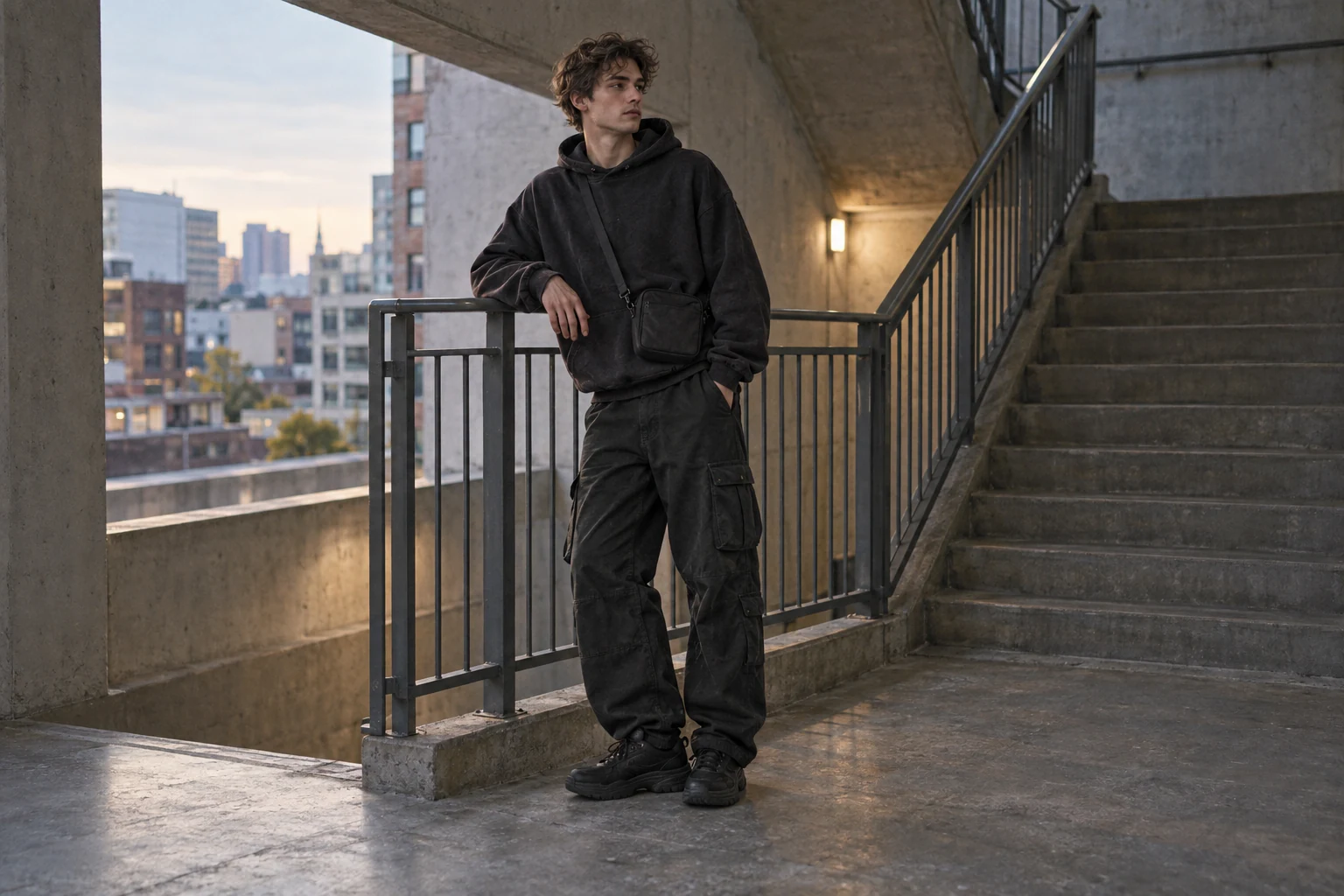
A second tradition is dark and architectural. Since the 1980s, Japanese designers have been known internationally for black and gray palettes, asymmetry and loose, draped shapes, and that taste shows up on the street as long black shirts, wide cropped trousers, layered hems and chunky shoes. Harajuku, by contrast, is famous for color and play: decora with piles of hair clips and accessories, lolita fashion with its full skirts and petticoats, and many smaller styles. Our guides to Harajuku fashion and lolita fashion cover those communities properly, since each has its own rules and history. Many young people in Japan move between these looks, or wear something far simpler most days.
| Look | Key pieces | Colors and feel |
|---|---|---|
| City boy | Wide chinos, big oxford shirt, fleece or chore jacket, cap, tote, sneakers | Navy, gray, ecru, olive; loose and tidy |
| Amekaji | Raw denim, flannel, military jackets, work boots, vintage sweatshirts | Indigo, brown, olive; rugged American casual |
| Dark minimal | Long black shirts, wide cropped trousers, layered hems, chunky shoes | Black and gray; draped and architectural |
| Harajuku color | Decora clips and accessories, lolita skirts, bold mixes | Bright and playful; each style has its own rules |
Many people in Tokyo mix these looks or wear a simpler version most days.
Key pieces, colors and proportions
The core of Japanese street style clothing is a short list. For the bottom half, wide or relaxed straight trousers are the anchor: chinos, pleated wool trousers, painter pants or a loose straight jean, usually cropped or hemmed to sit just on the shoe so the socks show when you walk. Our tour of jean cuts and the guide to styling wide leg trousers help you choose. On top come loose oxford or flannel shirts, boxy tees, crew neck knits, cardigans and sweatshirts, and one outer layer such as a chore coat, a short military jacket, a fleece, a quilted liner or a long coat. Accessories are simple and practical: a cap or a bucket hat, a canvas tote or a small shoulder bag, visible socks, and sometimes a film camera.
Proportion is where the style lives. Most outfits pair a loose top with loose trousers, then keep the look tidy with a clean collar, sleeves rolled once, a hem that ends at a deliberate point, and layers of slightly different lengths, such as a shirt tail peeking below a sweater. Colors are usually calm, with navy, olive, ecru, gray, brown and black doing most of the work and one soft accent such as a faded red cap or a green sock. Fabric texture replaces bright color: brushed cotton, corduroy, nylon, wool and denim side by side. Japanese street style hair tends to be natural and a little undone, such as soft perms, center parts and curtain bangs for men, and bobs, hime cuts or long straight hair for women.
Japanese street style for men: outfits to try
For class or a weekday in the city, try light gray wide chinos that just touch white canvas sneakers, a white T shirt under an oversized light blue oxford shirt worn open, a navy cap and a canvas tote. The shirt should be big in the body but not so long in the sleeve that it swallows your hands. On a cool day add a navy knit vest over the tee, which is one of the quickest ways to make the outfit look Tokyo rather than generic.
For a weekend look with more Americana, choose relaxed dark jeans with a single cuff, a gray sweatshirt, a brown corduroy or canvas chore jacket and brown leather loafers or work boots with thick white socks. In winter, swap the jacket for a quilted liner under a long navy coat and add a beanie. For a darker, minimal version, go all black: a long loose shirt, wide cropped wool trousers, black socks and chunky black shoes, with a silver ring as the only accessory. Japanese men's street style is comfortable with a soft silhouette, so resist fitting everything close to the body.
Japanese street style for women: outfits to try
A classic Tokyo casual look for women starts with a long pleated or A line skirt in navy or khaki, a white shirt with the collar out over a crew neck cardigan, white socks and loafers or Mary Janes, and a canvas tote. It looks neat and relaxed at once because the skirt is long and the top is slightly boxy. For something more city girl, try wide ecru trousers, a striped long sleeve tee, a short olive military or chore jacket, a cap and white sneakers; the outfit could be worn by anyone, which is part of its charm.
When it gets cold, layer a long gray wool coat over a chunky knit and a midi skirt, with tights and lace up boots, and carry a small shoulder bag worn across the body. For evenings or a gallery, the dark minimal look works beautifully on women too: a loose black dress over wide black trousers, flat black shoes and a single silver necklace. If you are drawn to Harajuku color instead, start with one piece, such as a bright cardigan or a pile of hair clips, over simple basics. Many Japanese street style women keep makeup light and skin looking natural, so the clothes carry the personality.
How to wear it respectfully, not as a costume
Japanese street style is modern everyday clothing, not a national costume, so the best way to wear it is simply to wear it as clothes. You do not need a kimono, anime prints or Japanese text on a T shirt to reference Tokyo; those choices can read as a caricature, and a garment printed with words you cannot read may say something you did not intend. Traditional garments such as kimono and yukata have their own occasions and rules of wear, so treat them as that rather than as a trend piece. The same respect applies to subcultures like lolita or gyaru, which have communities with real etiquette behind them.
What makes an outfit read as Japanese street style is the attitude to detail. Hem your trousers to a deliberate length, press or steam the shirt, choose socks as carefully as the shoes, and repeat a small number of good pieces. Photographers in Tokyo tend to shoot full length snaps against plain walls, shop fronts or crossings, so if you want to capture your own look, stand a few steps in front of a quiet wall, turn slightly to the side and let the camera see the shoes.
Start from what you already own
Most closets already hold the base of a city boy or Tokyo casual outfit: a plain tee, a button down shirt, a sweatshirt, straight jeans or chinos, and sneakers. Try them on one size looser in your mind: wear the shirt open over the tee, roll the sleeves once, and see whether a pair of looser trousers would change the balance. The missing pieces are usually one wide trouser, one overshirt or chore jacket, and a canvas tote, all of which turn up easily in secondhand shops. Our guide on how to thrift explains how to find them.
From there, add slowly and in calm colors so everything combines. Borrow from neighboring styles as you like, since Korean fashion shares the soft layers and Ivy style explains where the oxford shirts and chinos came from. The goal is not to look like a photo from Harajuku, but to dress with the same care about proportion and detail.
Common mistakes
Buying everything oversized
Loose is not the same as too big. Shoulders can drop and trousers can be wide, but sleeves that cover your hands and hems that pool on the floor look careless. Hem the trousers and choose tops cut boxy rather than two sizes up.
Wearing Japanese text as decoration
A T shirt with random Japanese characters is the fastest way to look like a tourist version of the style. Choose plain pieces, or graphics you actually understand.
Too many statement pieces at once
Street snaps look bold, but most of them rest on one interesting piece and quiet basics. Pick the one thing you want people to notice and keep the rest calm.
Questions people ask
What is Japanese streetwear style called?
There is no single name. The loose, layered American casual look is often called city boy style or amekaji, the colorful looks from Harajuku have their own names such as decora or lolita, and the dark minimal look is usually just called Japanese minimalism or avant garde.
What is Tokyo street style?
Tokyo street style is the fashion young people wear in neighborhoods such as Harajuku, Shibuya and Shimokitazawa, captured in street snaps. It ranges from neat city boy layers to experimental color, and it is known for careful proportion and detail rather than logos.
What was popular Japanese street style in the 2000s?
The late 1990s and 2000s were the peak of Harajuku experimentation, documented in FRUiTS magazine, with decora, gyaru, lolita and punk influenced looks. Hip hop also shaped youth fashion, with oversized clothes and tanned skin inspired by music stars.
What is a popular Japanese street style for girls?
Today many young women wear a soft, neat casual look: long skirts or wide trousers, shirts with cardigans, white socks and loafers or Mary Janes, and a tote. Harajuku styles such as lolita and decora are still worn by dedicated communities rather than as everyday trends.
Can men wear Japanese street style in a North American office?
Yes, the neater versions work in most casual offices. Wide chinos, an oxford shirt, a knit vest or cardigan and loafers read as relaxed business casual; skip caps, fleeces and anything torn if your workplace is more formal.
Sources and further reading
References used for this guide. Each opens the original page in a new tab.
- Japanese street fashion, Wikipedia overview of history and styles Opens in a new tab
- Take Ivy, Wikipedia entry on the 1965 photo book and its influence in Japan Opens in a new tab
- Popeye (magazine), Wikipedia entry on the 1976 Tokyo magazine for city boys Opens in a new tab
- Harajuku, Wikipedia entry including the Sunday pedestrian zone from 1977 to 1998 Opens in a new tab
- Fruits (magazine), Wikipedia entry on Shoichi Aoki's street snap magazine, 1997 to 2017 Opens in a new tab
- Ametora: How Japan Saved American Style by W. David Marx, publisher description Opens in a new tab
Keep reading
Styles
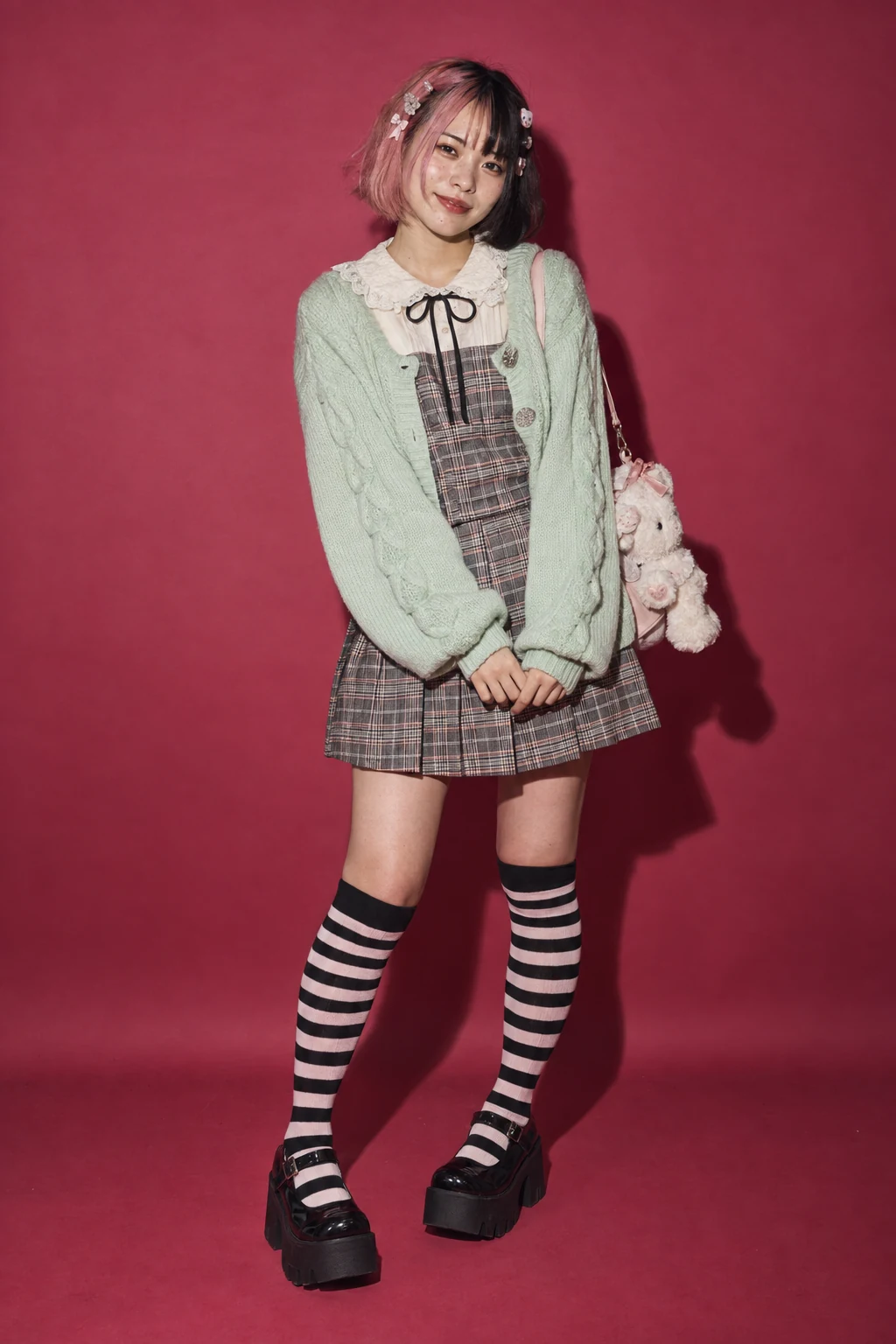
Harajuku fashion: the styles, history and how to wear it
What Harajuku fashion is, where it came from, the main Harajuku styles from decora to Lolita, and real outfits for men and women that feel personal, not costume.
Styles
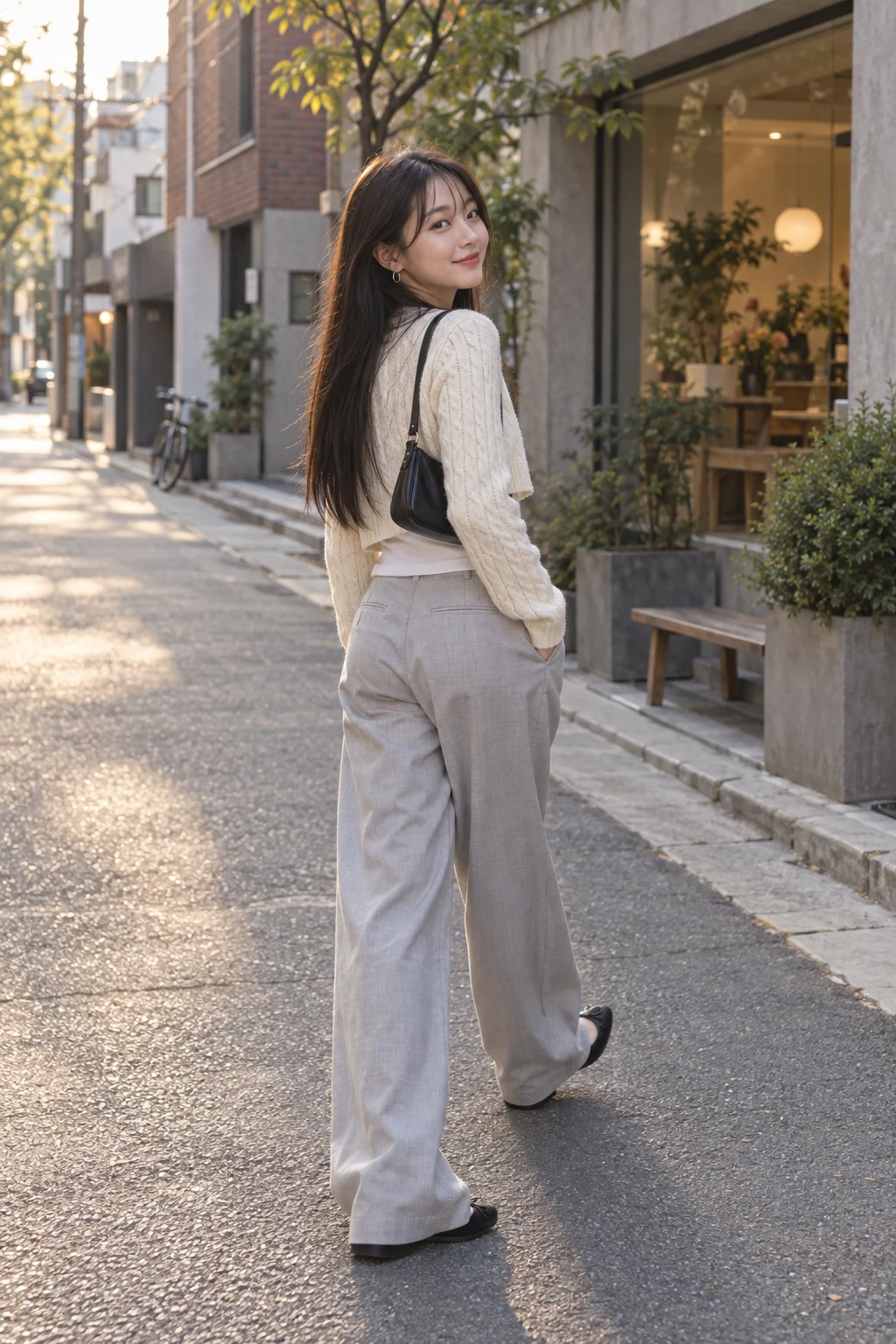
Korean fashion: the looks, pieces and outfits to know
What Korean fashion looks like now, from soft minimal knits to Seoul street style, plus hanbok basics, key pieces, hair and outfits you can build from your closet.
Styles
Ivy style: the classic pieces and how to wear them now
What Ivy style is, how it differs from preppy, the core pieces from oxford shirts to loafers, Black Ivy and Japanese Ivy, and modern Ivy League outfits for men.
Styles
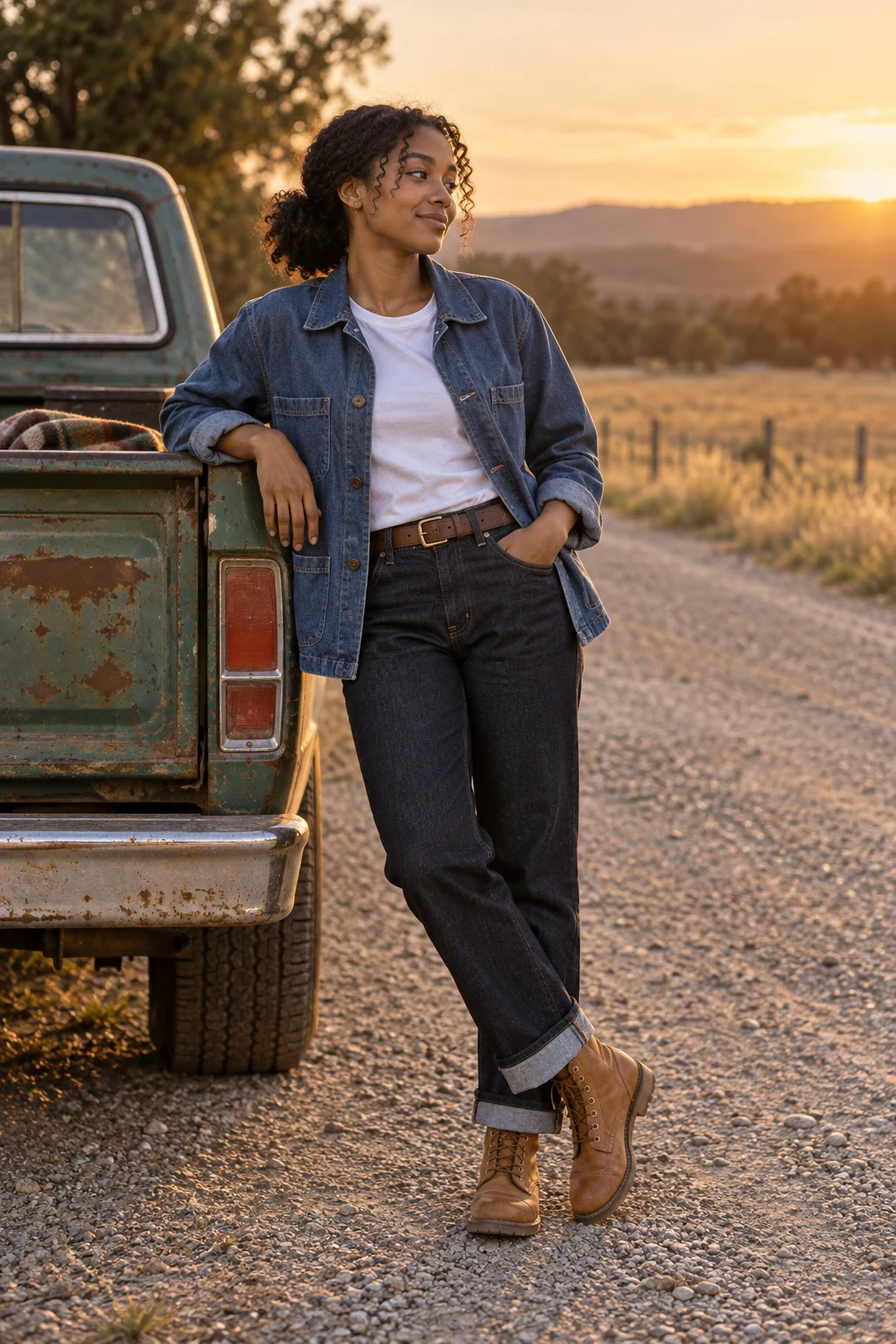
Americana style: denim, workwear and how to wear it now
What Americana style is, where it came from, the core denim and workwear pieces, the Japanese Americana take, and outfits for men and women that feel current.
Styles
Streetwear style: the pieces, proportions and outfits
What streetwear style is, where it came from, the core pieces and proportions, and streetwear outfits for men and women that look grown up, not like a costume.