What is rayon? The fabric made from wood
In this guide
A soft summer dress or a camp collar shirt with a lovely heavy drape is easy to mistake for a natural fabric, until the label reads 100% rayon. It was probably cheaper than silk, and nothing on the hanger tells you whether it will survive the washing machine. So what is rayon, exactly? It is a fiber made from plant cellulose, most often wood pulp, that has been dissolved and spun back into long filaments in a factory. That in between origin explains almost everything about how rayon feels, where it shines and where it lets people down.
This guide explains what rayon is made of, whether it counts as natural, how it compares with cotton and polyester, and how to care for it so it keeps its shape. Rayon is also the parent of several fabrics you may meet under other names, including viscose, modal and lyocell, so it helps to get the family straight before you shop.
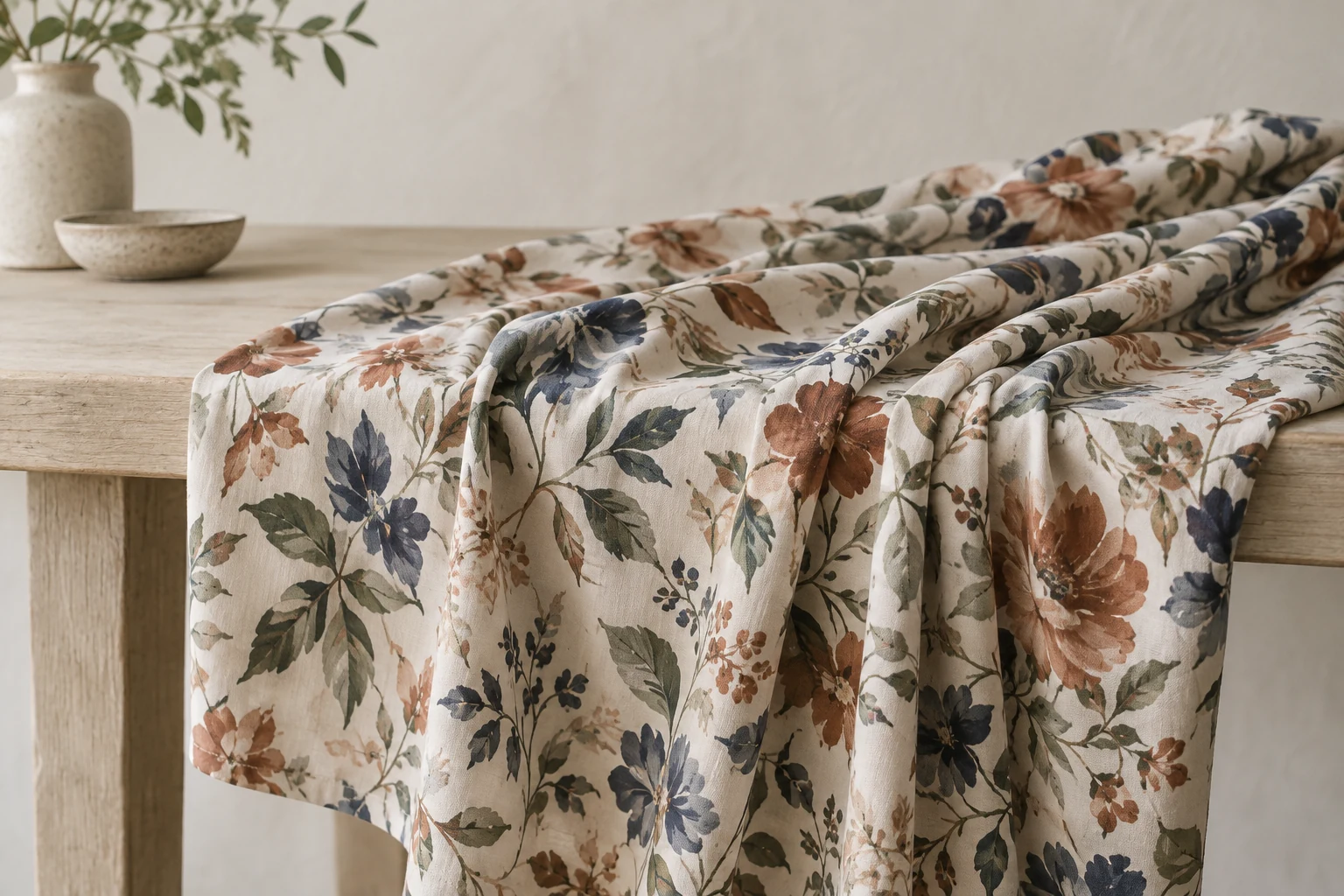
What is rayon made of?
Rayon is made of cellulose, the same structural material that makes up cotton fibers and the walls of plant cells. In the United States the Federal Trade Commission defines rayon as a manufactured fiber of regenerated cellulose, which means the cellulose has been taken out of a plant, dissolved and then reformed into a new fiber. The starting material is usually pulp from trees such as eucalyptus, pine, beech or spruce, although bamboo and other plants can be used too.
The word regenerated matters. Cotton is picked from the plant as a ready made fiber, and linen is pulled from the stem of flax. Rayon has no fiber until a factory creates one, so the manufacturer controls its length, thickness and luster. That is why rayon can be made to imitate silk, cotton, linen or wool, and why two rayon garments can feel so different from each other. Rayon began life in the late nineteenth century as artificial silk, and it is still used where people want a silky hand without the price or care of silk.
How rayon is made
Most rayon is made by the viscose process, developed in Britain in the 1890s. Wood pulp is treated with caustic soda, then with carbon disulfide, which turns the cellulose into a thick, honey like solution. That solution is pushed through a spinneret, a plate with tiny holes, into a bath of acid, where the cellulose sets again as fine filaments. The filaments are washed, dried and either kept long for smooth fabrics or cut into short staple lengths and spun like cotton.
Variations on this process produce the relatives you see on labels. Modal is a rayon stretched during spinning so its molecules line up, which makes it stronger when wet and less prone to shrinking. Lyocell, sold under brand names such as Tencel, dissolves the pulp directly in a solvent that is recovered and reused, skipping carbon disulfide entirely. Cupro uses a copper and ammonia solution and is made mostly in Japan today. Our guides to viscose fabric, modal and Tencel lyocell cover each one in detail.
Is rayon natural or synthetic, and is it plastic?
Rayon sits between the two camps, which is why it is usually called semi synthetic or a manufactured cellulosic fiber. Its raw material comes from plants and its molecule is cellulose, the same as cotton. But it only becomes a fiber through heavy chemical processing, and the Federal Trade Commission is clear that the finished fiber contains no trace of the original plant. That is also why a shirt made from bamboo pulp must be labeled rayon or rayon made from bamboo in the United States, not simply bamboo.
Rayon is not plastic. Polyester, nylon and acrylic are made from petroleum based polymers, while rayon is regenerated plant cellulose, and cellulose fibers generally break down in the environment far more readily than synthetics. So when a label says rayon, you are looking at something chemically closer to cotton than to polyester, even though it was born in a chemical plant rather than a field.
How rayon feels and wears
Is rayon breathable? Yes. Like cotton, it absorbs moisture readily, and it tends to feel cool and smooth against the skin, which is why it is so common in summer dresses, blouses, camp shirts and pajamas. Its weight gives it a fluid drape that makes wide trousers swing and skirts fall softly rather than stand away from the body. It takes dye beautifully, so prints look saturated and clear.
The weaknesses are just as real. Ordinary rayon loses a large share of its strength when wet, so it can stretch, tear or shrink if it is scrubbed, wrung or tumbled. It wrinkles easily and does not spring back well. Is rayon fabric stretchy? Not much on its own: a woven rayon has almost no give, and the stretch in a rayon T shirt or leggings usually comes from added spandex. Cheaper rayon can also pill, fade at the seams and lose its shape after a season. Well made rayon, in a denser weave or a higher wet strength variety such as modal, lasts noticeably longer.
So is rayon fabric good or bad? It is good for loose, drapey clothes worn in warm weather and bad for anything that needs to survive hard wear, heavy sweat and hot machine washing. Judge each piece by the weight and density of the fabric, the seams and the care label rather than by the fiber name alone.
Rayon compared with cotton and polyester
Rayon and cotton are both cellulose, so both absorb moisture and breathe well. Cotton is the sturdier of the two: it is stronger when wet than when dry, tolerates warm washing and gets softer over years of use. Rayon drapes and shines more and feels silkier, but it asks for gentler care. A rayon blouse is not 100% cotton, whatever its hand suggests; the fiber content on the label will list rayon or viscose.
Is rayon better than polyester? It depends on what you need. Rayon is more comfortable in heat because it absorbs sweat rather than letting it sit on the skin. Polyester is far more durable, keeps its shape, resists wrinkles and dries quickly, which is why it dominates sportswear. Blends of the two try to capture some of each. For a fuller comparison of those two families, see polyester vs cotton.
| Feature | Rayon | Cotton | Polyester |
|---|---|---|---|
| Made from | Regenerated plant cellulose | Cotton plant fiber | Petroleum based polymer |
| In heat | Absorbs sweat, feels cool | Absorbs sweat, breathes | Lets sweat sit on the skin |
| When wet | Loses much of its strength | Stronger than when dry | Keeps its shape, dries fast |
| Wrinkles | Easily | Moderately | Resists them |
| Care | Cool, gentle, no dryer | Tolerates warm washing | Easy and durable |
How to wash and dry rayon
Start with the care label, because rayon garments vary widely. Some say dry clean only because the maker expects the fabric to shrink or the dye to bleed; take those seriously, especially for tailored pieces and linings. Many say hand wash or gentle machine wash cold. If you are unsure what the symbols mean, our guide to reading laundry symbols explains them.
Wash cool and briefly
Use cool water, around 86°F (30°C) or lower, with a mild detergent, either by hand or on a delicate cycle with the garment in a mesh bag. Short, gentle washing limits the time the fibers spend weak and swollen with water. Our guide to hand washing clothes walks through the basin method.
Press water out, do not wring
Lift the garment out supported in both hands and press water out against the side of the basin, then roll it in a dry towel. Twisting wet rayon stretches and distorts it, and the damage often stays after drying.
Dry flat or on a hanger
Lay knits flat and hang woven shirts and dresses on a wide hanger, smoothing seams and hems with your hands. Keep rayon out of the dryer unless the label clearly allows it, because heat and tumbling are the main causes of shrinkage.
Iron on the reverse while slightly damp
Use a low to medium setting and press on the wrong side, or use a pressing cloth. Rayon can develop shiny patches under a hot iron on its face. A steamer is often easier for loose dresses and blouses.
Is rayon toxic or bad for you?
The well documented problems with rayon happen in the factory, not on your body. Carbon disulfide, used in the viscose process, is highly toxic, and workers in poorly controlled plants have suffered serious harm from exposure; emissions can also affect nearby communities. The finished fiber is cellulose, and the chemistry is washed out during manufacture, which is why the concern for wearers is small compared with the concern for the people making it. If you have very sensitive skin, washing new clothes before wearing them is a sensible habit for any fabric.
The other concern is the forest. The environmental group Canopy has documented that wood for rayon, viscose and modal can come from ancient and endangered forests. If that matters to you, look for rayon with FSC or PEFC certified wood, or choose lyocell, whose solvent is recovered and reused. Buying fewer, better rayon pieces and caring for them well also makes a real difference.
Common mistakes
Tumble drying on high heat
This is how rayon shrinks, sometimes by a full size. Air dry, or use the lowest heat only when the label allows it, and take the garment out while still slightly damp.
Wringing or scrubbing a stain
Wet rayon is fragile, so friction can thin the fabric or leave a rough, pale patch. Blot stains and work detergent in with your fingertips instead.
Assuming bamboo means natural
Most soft bamboo clothing is rayon made from bamboo pulp. It is not a natural fiber and needs the same gentle care as any other rayon.
Questions people ask
Is rayon 100% cotton?
No. Both are made of cellulose, but cotton is a natural seed fiber and rayon is manufactured from dissolved plant pulp. A label will list rayon, viscose, modal or lyocell separately from cotton, and blends of rayon and cotton are common.
Why can't rayon go in the dryer?
Ordinary rayon swells and weakens when wet, and the heat and tumbling of a dryer pull the loosened fibers tighter as they dry, which shrinks and distorts the garment. Some rayon, especially modal, is made to tolerate a low tumble, so follow the label.
Can you fix rayon that has shrunk?
Sometimes, partly. Soak the garment in lukewarm water with a little hair conditioner for about half an hour, press out the water, then gently ease it back toward its original size and let it dry flat. Rayon knits recover better than tightly woven pieces; our guide on how clothes shrink explains why.
Is rayon good for hot weather?
Yes, it is one of the more comfortable fabrics in heat because it absorbs sweat and drapes away from the body. Linen and cotton are sturdier alternatives, and our guide to dressing for 90 degree days covers the rest of the outfit.
Sources and further reading
References used for this guide. Each opens the original page in a new tab.
- FTC Textile Rules, 16 CFR 303.7: generic names and definitions for manufactured fibers Opens in a new tab
- Federal Trade Commission: How to avoid bamboozling your customers (bamboo and rayon labeling) Opens in a new tab
- Wikipedia: Rayon, history, manufacturing processes and properties Opens in a new tab
- Canopy: Deforestation, so out of style (forest fiber in rayon and viscose) Opens in a new tab
Keep reading
Fabrics
What is viscose fabric, and is it any good?
What viscose is, why it is the same thing as rayon, how to judge good viscose, how it compares with cotton and polyester, and how to wash it without shrinking.
Fabrics
What is modal fabric, and is it better than cotton?
What modal fabric is made of, why it feels so soft, how it compares with cotton, whether it is plastic or toxic, and how to wash modal so it stays smooth.
Fabrics
What is Tencel? Lyocell fabric explained
What Tencel is, how lyocell is made from wood, whether it is natural, how it compares with cotton and modal, why Tencel sheets feel cool, and how to wash it.
Fabrics
Polyester vs cotton: which fabric to choose
Polyester vs cotton compared honestly: comfort, heat, sweat, odor, durability, skin and the environment, plus how to tell them apart and when a blend is best.
Washing and ironing
How to hand wash clothes properly
How to hand wash clothes in a sink or basin: which detergent to use, water temperature by fabric, how long to soak, how to rinse and how to dry without stretching.